Best Continuous Glucose Monitors for Non-Diabetics in 2026
Comprehensive comparison of Levels, Nutrisense, Signos, and Veri CGM platforms for metabolic health optimization and longevity.
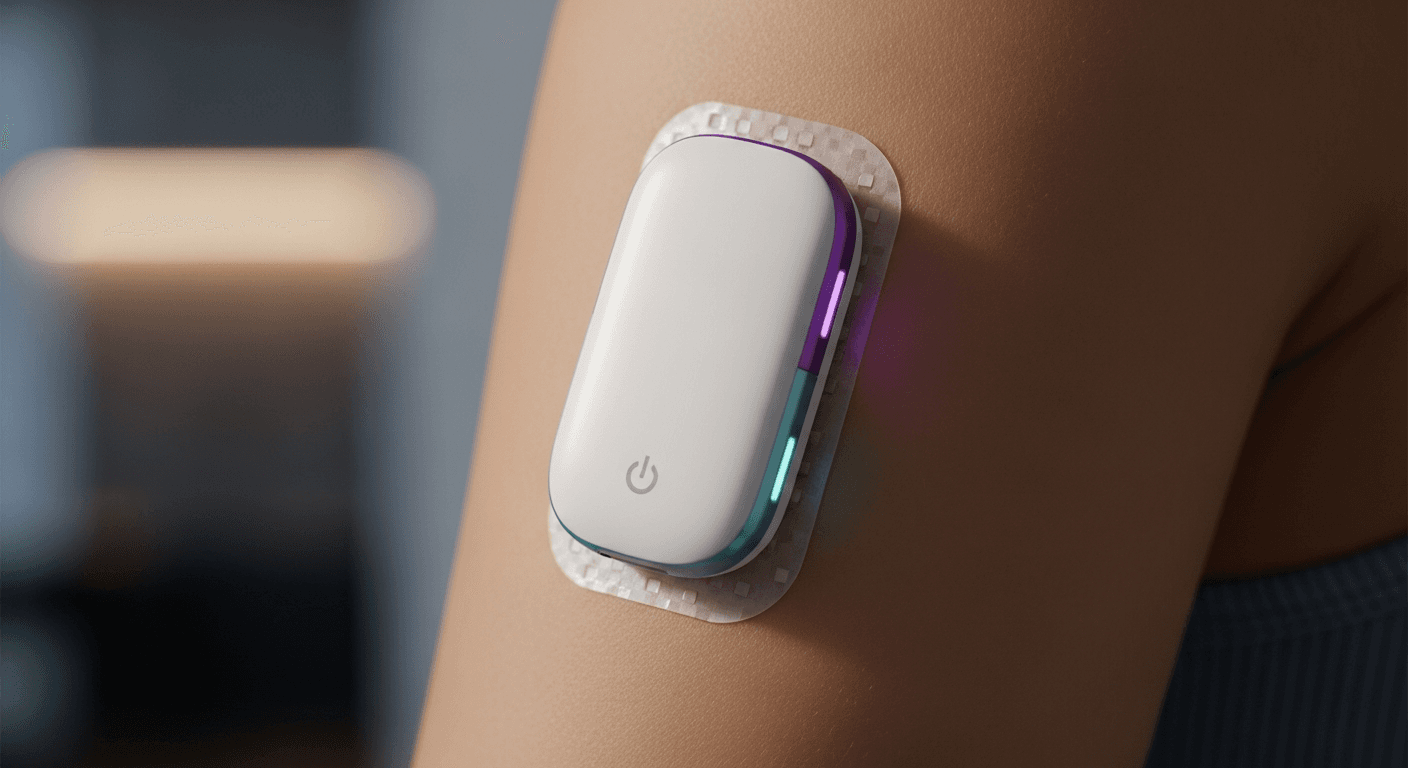
Nutrisense Review: Best for Personalized Coaching
Best for: Beginners, people who want expert guidance, those with specific health goals
Price: $225-$399/month depending on plan (includes coaching)
Sensor: Abbott FreeStyle Libre 3
Overview
Nutrisense positions itself as the CGM platform with the best human support. Every subscription includes access to registered dietitians who review your data, answer questions, and help you make sense of your glucose patterns.
If Levels is for self-starters, Nutrisense is for people who want a partner in their metabolic health journey.
What Sets Nutrisense Apart
Dedicated Dietitian Support: This is Nutrisense's killer feature. You're matched with a registered dietitian who reviews your data, provides personalized recommendations, and is available via in-app messaging. The quality of coaching varies by dietitian, but overall, the expertise is solid.
Beginner-Friendly Onboarding: Nutrisense walks you through the first few weeks with structured experiments and educational content. If you've never worn a CGM, their onboarding makes the learning curve less steep.
Research Partnerships: Nutrisense collaborates with universities and researchers, contributing to the scientific understanding of glucose metabolism in healthy populations. This gives them credibility and access to cutting-edge insights.
Food Logging with Database: Unlike Levels, Nutrisense includes a food database for logging meals. You can search for foods, scan barcodes, or enter manually. This makes logging faster and more consistent.
Sensor Accuracy
Nutrisense also uses the FreeStyle Libre 3. Same accuracy as Levels—no surprises here.
App Experience
The Nutrisense app is functional but less polished than Levels. The interface is clean enough, but animations are slower, and the overall feel is more utilitarian than delightful.
Key features include:
- Glucose graphing with event markers
- Food logging with database search
- In-app messaging with dietitian
- Daily reports and insights
- Correlation analysis (glucose vs. sleep, exercise, stress)
The dietitian messaging is integrated smoothly. I typically got responses within a few hours during business days. My assigned RD was knowledgeable about metabolic health (not just diabetes) and provided actionable feedback on my experiments.
The biggest weakness is the insight engine. Nutrisense's automated insights feel generic compared to Levels' metabolic scoring. The human coaching compensates for this, but if you're data-driven and want the app to surface patterns automatically, you may be disappointed.
Pricing
- Performance plan: $225/month (1 sensor, limited coaching)
- Optimization plan: $299/month (2 sensors, full coaching access)
- Pro plan: $399/month (2 sensors, weekly video calls with dietitian)
The coaching-inclusive pricing makes Nutrisense more expensive than Levels. However, for beginners or those with specific conditions (PCOS, insulin resistance, athletic performance), the personalized guidance can be worth the premium.
The Verdict
Nutrisense is the best choice if you want human expertise guiding your CGM journey. The dietitian support is genuinely valuable, especially for people who are new to metabolic health or have specific goals. The app is less sexy than Levels, but the coaching compensates.
Nutrisense Score: 8.5/10
---
Signos Review: Best for Weight Loss
Best for: People focused on weight loss and body composition
Price: $299/month (includes app + coaching)
Sensor: Dexcom G7
Overview
Signos is laser-focused on one outcome: weight loss. Their entire platform is designed around using glucose data to optimize fat burning and reduce cravings.
While other platforms take a general metabolic health approach, Signos provides specific, weight-loss-oriented recommendations. If shedding pounds is your primary goal, Signos deserves a look.
What Sets Signos Apart
Weight Loss-Specific Algorithm: Signos' app tells you when to eat, what to eat, and when to exercise based on your real-time glucose. The goal is to keep glucose low enough to stay in a "fat-burning zone" while avoiding the crashes that trigger cravings.
Exercise Timing Recommendations: The app alerts you when a walk or workout would be most effective for blunting a glucose spike or extending time in the fat-burning zone. This "exercise prescription" feature is unique among CGM platforms.
Dexcom G7 Sensor: Signos uses the Dexcom G7 instead of the FreeStyle Libre 3. The G7 has a smaller form factor, 10.5-day wear time (vs. 14 for Libre), and real-time streaming to your phone without scanning.
GLP-1 Integration: With the explosion of GLP-1 medications like semaglutide (Ozempic) and tirzepatide (Mounjaro), Signos has built features to support users on these drugs. The app tracks how GLP-1s affect your glucose response over time.
Sensor Accuracy
The Dexcom G7 is considered slightly more accurate than the Libre 3 in some clinical studies, particularly in the hypoglycemic range (not super relevant for non-diabetics). In my testing, both sensors performed comparably. The G7's real-time streaming without scanning is a nice quality-of-life upgrade.
The G7 is also slightly smaller than the Libre 3 and has a lower profile, making it a bit more discreet under clothing.
App Experience
Signos' app is good, not great. It's clearly designed around the weight loss use case, with features like:
- Real-time glucose with fat-burning zone indicator
- Meal logging and spike predictions
- Optimal exercise timing notifications
- Daily calorie and macro tracking
- Coach messaging
The interface is colorful and motivating, but it lacks the polish of Levels. Some features feel bolted on rather than integrated. For example, the calorie tracking is basic compared to dedicated apps like Cronometer or MyFitnessPal.
What Signos does well is simplify decision-making. The app tells you exactly what to do and when. "Take a 10-minute walk now to burn off that meal." "You're in the fat-burning zone—great time for a workout." If you want prescriptive guidance rather than raw data, Signos delivers.
Pricing
$299/month gets you 3 sensors (10.5 days each), full app access, and coaching. This is comparable to Nutrisense's mid-tier plan but with a different sensor and weight loss focus.
Signos sometimes runs promotions with longer commitments (6 or 12-month plans) at lower monthly rates. If you're committed to a weight loss journey, these can offer significant savings.
The Verdict
Signos is the best CGM platform if your primary goal is weight loss. The exercise timing features and fat-burning zone feedback are unique and actionable. The Dexcom G7 sensor is excellent. However, if you're interested in metabolic health more broadly (longevity, performance, energy optimization), you may find Signos' narrow focus limiting.
Signos Score: 8/10
---
Veri Review: Best Budget-Friendly Option
Best for: Cost-conscious users, European markets
Price: $155/month (app + sensors, no coaching)
Sensor: Abbott FreeStyle Libre 3
Overview
Veri is a Finnish company that has built a strong following in Europe and is now competing effectively in the US market. Their value proposition is simple: solid CGM tracking at a lower price point than Levels or Nutrisense.
If you want the CGM experience without paying premium prices, Veri is worth considering.
What Sets Veri Apart
Competitive Pricing: At $155/month for two sensors and full app access, Veri undercuts Levels by about $45/month. Over a year, that's $540 in savings. For the same FreeStyle Libre 3 sensors, that's significant.
Meal Stability Score: Similar to Levels' Metabolic Score, Veri grades meals on a stability scale. The algorithm factors in spike height, recovery time, and overall variability. It's effective for learning about food responses.
Fasting and Time-Restricted Eating Features: Veri has excellent tools for intermittent fasting. The app tracks your fasting windows, shows glucose trends during fasts, and helps you understand how fasting affects your metabolism.
Energy and Mood Correlation: Veri prompts you to log energy levels and mood throughout the day, then correlates these with your glucose data. This helps connect the dots between how you feel and what's happening metabolically.
Sensor Accuracy
Same FreeStyle Libre 3 as Levels and Nutrisense. Accuracy is equivalent.
App Experience
Veri's app is clean and functional. It's not as polished as Levels, but it's more intuitive than Nutrisense. The European design sensibility comes through—minimalist, efficient, practical.
Key features include:
- Glucose trend graph with meal markers
- Meal stability scoring
- Fasting timer and tracking
- Energy/mood logging
- Daily and weekly reports
- Basic insights and recommendations
What Veri lacks is depth. The insights are surface-level, and there's no coaching option. If you need hand-holding, you won't find it here. But if you're self-directed and price-sensitive, the app provides everything you need.
Pricing
$155/month includes 2 sensors and full app access. No coaching tier is available. For users who don't need coaching, this is the best value in the market.
Veri also offers discounts for longer commitments (3, 6, 12 months), bringing the effective monthly cost even lower.
The Verdict
Veri is the best budget CGM option for non-diabetics. You get the same FreeStyle Libre 3 sensors as Levels and Nutrisense at a lower price, with a capable app that covers the essentials. If you're cost-conscious or experimenting to see if CGM tracking is right for you, Veri is a smart starting point.
Veri Score: 8/10
---
Head-to-Head Comparison: Nutrisense vs Levels
Since these are the two most popular platforms, let's break down the key differences:
| Feature | Levels | Nutrisense | |---------|--------|------------| | Price | $199/month | $225-$399/month | | Sensor | Libre 3 | Libre 3 | | Coaching | None | Yes (RD included) | | App Design | Excellent | Good | | Meal Scoring | Metabolic Score (1-10) | Yes (less prominent) | | Food Database | No | Yes | | Best For | Self-starters | Beginners/coaching |Choose Levels if: You're self-motivated, love beautiful apps, and want to learn independently.
Choose Nutrisense if: You want expert guidance, are new to CGM, or have specific health conditions to address.
---
Glucose Monitoring for Longevity: Does It Matter?
Beyond day-to-day energy and weight management, CGM data is increasingly relevant for longevity optimization.
Dr. Peter Attia, one of the leading longevity physicians, has been vocal about the importance of glucose control for healthspan. In his framework, minimizing glucose variability and time spent in elevated glucose ranges reduces the metabolic stress that drives aging and chronic disease.
Key longevity-relevant CGM insights include:
- Average glucose: Lower is generally better (within healthy ranges)
- Glucose variability: Flatter curves = less metabolic stress
- Post-meal spikes: Blunting spikes reduces glycation and inflammation
- Fasting glucose levels: Morning glucose can indicate insulin sensitivity
By using a CGM to optimize these metrics, you're not just improving short-term energy—you're potentially reducing your risk of cardiovascular disease, type 2 diabetes, cognitive decline, and other age-related conditions.
---
My Recommendation: Which CGM Should You Choose?
After testing all four platforms extensively, here's my decision framework:
For biohackers and self-optimizers: Go with Levels. The app is exceptional, the metabolic scoring drives behavior change, and you don't need coaching if you're willing to learn.
For beginners or those wanting support: Choose Nutrisense. The dietitian access is genuinely valuable, especially if you're new to metabolic health or have specific goals.
For weight loss focus: Pick Signos. The fat-burning zone feedback and exercise timing features are unique. If losing weight is your #1 priority, Signos is built for you.
For budget-conscious users: Start with Veri. You get the same sensors at a lower price. It's perfect for testing whether CGM tracking is right for you before committing to a premium platform.
---
Final Thoughts
Continuous glucose monitors have evolved from medical devices for diabetics to powerful tools for anyone interested in metabolic health. The ability to see, in real time, how your body responds to food, exercise, and lifestyle choices is genuinely transformative.
I've worn CGMs intermittently for the past three years, and they've fundamentally changed how I eat. I know which foods spike me (white rice, tropical fruits) and which don't (sweet potatoes, berries). I've optimized meal timing around workouts. I understand my dawn phenomenon and how sleep affects my morning glucose.
Whether you're a longevity enthusiast, an athlete optimizing performance, or someone who just wants to understand your body better, a CGM can provide insights you won't get anywhere else.
The best CGM for you depends on your goals, budget, and learning style. But any of the platforms reviewed here will deliver value. Pick one, wear it for a month, and prepare to be amazed by what you learn about your metabolism.
---
Disclosure: This article contains affiliate links. If you purchase through our links, we may earn a commission at no additional cost to you. We only recommend products we've personally tested and believe in.
Alex Chen
MSc Biomedical Engineering, Certified Biohacking Coach
Biomedical engineer and biohacking coach. Focused on evidence-based longevity protocols and wearable technology integration for optimal healthspan.
You might also like

Eight Sleep Pod 4 Ultra Review: The Ultimate Sleep Optimization System
After six months sleeping on the Eight Sleep Pod 4 Ultra, I share my honest review. Temperature control, sleep tracking accuracy, Autopilot AI, app experience, and whether it's worth $3,000+.

Whoop 5.0 Review: Is It Worth the Upgrade in 2026?
After extensive testing, here's our complete Whoop 5.0 review for 2026. We cover battery life, HRV accuracy, new sensors, app features, subscription tiers, and whether it's worth upgrading from Whoop 4.0.

How to Measure Your Biological Age: 5 Best Tests Compared in 2026
Technical analysis of the 5 best biological age tests in 2026. We compare GlycanAge, TruDiagnostic, Tally Health, DNA Company DNAge, and NOVOS ENABL Age with real accuracy data, pricing, and hands-on experience.