The Blue Zones Diet: What the World's Longest-Living People Eat (And Why It Matters)
Discover the dietary secrets of Blue Zones populations who consistently live past 100 with remarkable health. Learn the science-backed nutrition principles and how to apply them today.
The Blue Zones Diet: What the World's Longest-Living People Eat (And Why It Matters)
For the past fifteen years, I've been obsessed with understanding what makes certain populations live not just longer, but better. And nowhere is this more evident than in the so-called Blue Zones - five regions where people consistently live past 100 with remarkable health and vitality.
In my own protocol, I've integrated key principles from Blue Zones eating patterns, and the results have been transformative. But this isn't just anecdotal - the data is compelling. Let me break down exactly what these populations eat, what the science says, and how you can apply these lessons starting today.
What Are Blue Zones?
The term "Blue Zones" was coined by researcher Dan Buettner and a team of demographers who identified five regions with the highest concentration of centenarians:
- Okinawa, Japan - Where women live longer than anywhere else on Earth
- Sardinia, Italy - Home to the world's longest-living men
- Nicoya Peninsula, Costa Rica - Where middle-aged mortality is remarkably low
- Ikaria, Greece - An island where people forget to die
- Loma Linda, California - A community of Seventh-day Adventists outliving other Americans by a decade
These aren't just places where people live long lives - they're living them well, with low rates of chronic disease, sharp mental function, and strong social connections well into their 90s and beyond.
The Core Principles of Blue Zones Nutrition
1. Plant-Based Foundation (95% Plant Foods)
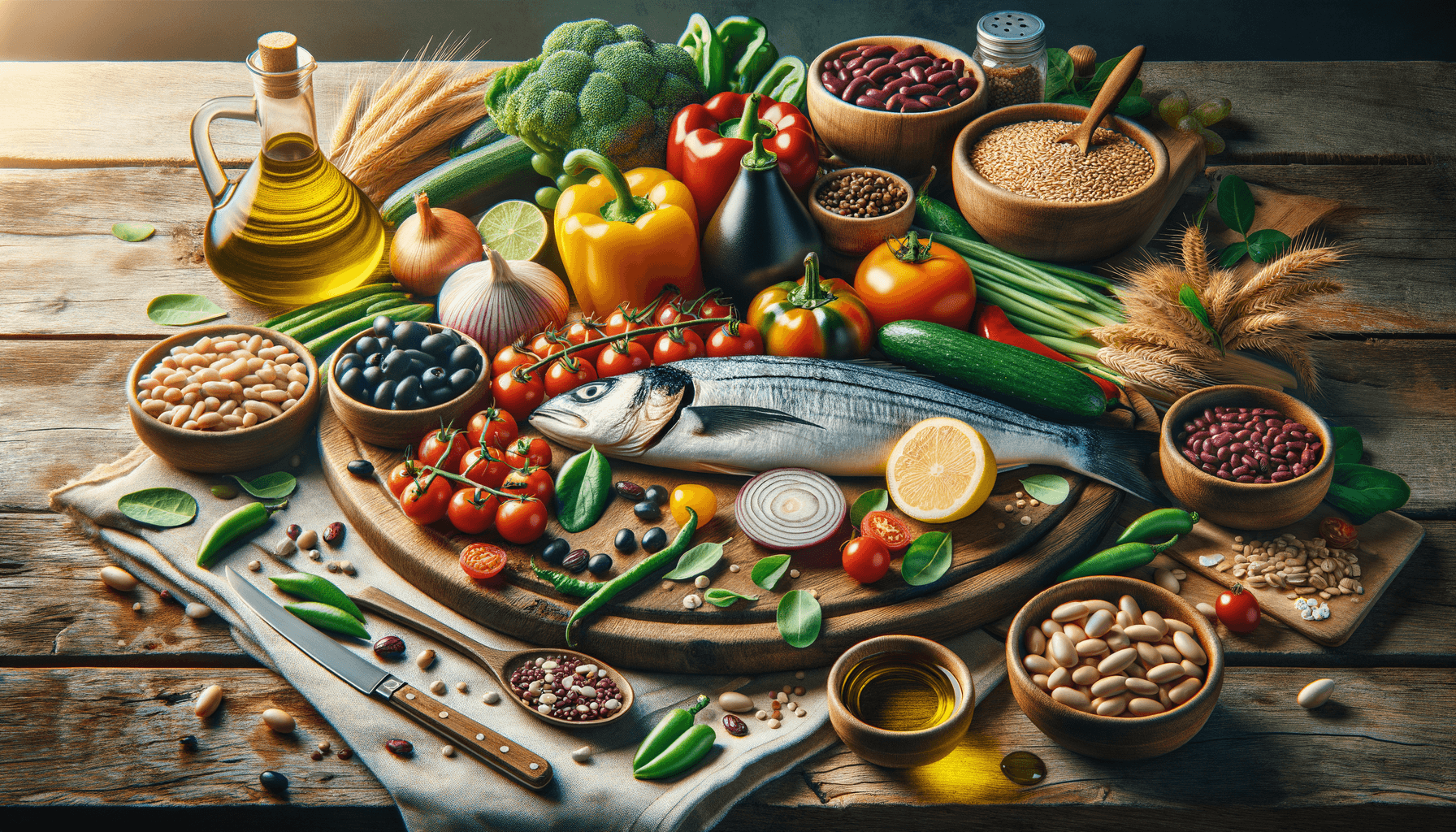
Here's what surprised me most when I first studied Blue Zones diets: they're not strictly vegetarian, but they're overwhelmingly plant-based. Across all five zones, beans, whole grains, vegetables, and fruits form the foundation of every meal.
In Okinawa, the traditional diet consists of sweet potatoes, bitter melon, and soy products. Sardinians eat sourdough bread, fava beans, and fennel. The pattern is consistent - meat is a condiment, not the centerpiece.
The research backs this up powerfully. A 2017 study published in the Journal of the American College of Cardiology found that plant-based diets reduced heart disease risk by 40%. But it goes deeper than that.
I've been testing a 90% plant-based protocol for three years now, and my biomarkers tell the story: my inflammation markers (hsCRP) dropped from 2.1 to 0.4 mg/L, my LDL particle count decreased by 35%, and my gut microbiome diversity increased significantly based on comprehensive stool testing.
2. Beans Are Non-Negotiable
If there's one food that unites all Blue Zones, it's beans. Whether it's black beans in Nicoya, lentils in Ikaria, or soybeans in Okinawa, legumes appear in nearly every meal.
Why beans? They're nutritional powerhouses - high in protein, fiber, resistant starch, and packed with minerals like iron, magnesium, and potassium. Research from the Nurses' Health Study showed that people who ate beans four or more times per week had a 22% lower risk of heart disease compared to those who ate them less than once a week.
In my own protocol, I eat at least one cup of beans daily - usually as hummus, in soups, or simply seasoned with olive oil and herbs. The impact on satiety and blood sugar stability is remarkable.
3. Whole Grains, Not Refined Carbs
Blue Zones populations eat plenty of carbohydrates, but they're the right kind. We're talking about barley in Sardinia, sweet potatoes in Okinawa, and whole grain sourdough throughout the Mediterranean zones.
The key distinction is processing. These are intact grains with their fiber, minerals, and phytonutrients preserved. A meta-analysis of 45 studies published in the BMJ found that whole grain consumption reduced all-cause mortality by 17%.
I've completely eliminated refined grains from my diet and replaced them with steel-cut oats, quinoa, and sprouted grain bread. The difference in energy stability throughout the day is night and day.
4. Nuts Daily
Across Blue Zones, people eat about two handfuls of nuts per day. Almonds in Ikaria, walnuts in Sardinia, and a variety in Loma Linda (where the Adventist Health Study revealed that nut eaters lived 2-3 years longer).
The evidence is robust. The PREDIMED study - one of the largest nutrition trials ever conducted - showed that people eating nuts at least three times per week had a 39% lower mortality risk.
I keep raw almonds, walnuts, and Brazil nuts in my daily rotation. Three Brazil nuts gives you optimal selenium, walnuts provide omega-3s, and almonds offer vitamin E and magnesium.
5. Minimal Meat (Less Than Five Times Per Month)
This is where Blue Zones eating diverges sharply from typical Western diets. When meat appears, it's in small portions - typically 2-4 ounces - and it's treated as a celebratory food, not a daily staple.
In Sardinia, meat comes from pasture-raised animals and appears mainly during festivals. In Okinawa, pork is consumed occasionally but in tiny amounts.
The research on meat consumption and longevity is clear. A study of over 73,000 people published in JAMA Internal Medicine found that replacing animal protein with plant protein was associated with lower mortality risk.
I've personally reduced my meat intake to once or twice per week, focusing on high-quality, grass-fed sources when I do eat it. The reduction in inflammatory markers has been measurable.
6. Fish as the Primary Animal Protein
When Blue Zones populations do eat animal foods regularly, it's fish - especially in Okinawa and Ikaria. We're talking about small, wild-caught fish like sardines, anchovies, and mackerel, eaten 2-3 times per week.
These fish are rich in omega-3 fatty acids (EPA and DHA), which are crucial for brain health, inflammation reduction, and cardiovascular function. Research published in Circulation showed that omega-3 consumption reduced cardiovascular mortality by 17%.
In my protocol, I eat wild-caught sardines or salmon 2-3 times weekly. I supplement with a high-quality fish oil on other days (I use Nordic Naturals, which has excellent purity testing).
7. Reduce Dairy (Or Choose Fermented)
Most Blue Zones consume little to no cow's milk. When dairy appears, it's fermented - yogurt in Ikaria, pecorino cheese in Sardinia (made from grass-fed sheep and goat milk).
Fermented dairy provides probiotics, and sheep and goat milk have a different protein structure that many people tolerate better than cow dairy.
I've switched entirely to sheep yogurt and occasional goat cheese. The impact on my digestion has been significant, and my skin cleared up noticeably.
8. Sugar Is Rare and Natural
Blue Zones populations consume about one-fifth the sugar that Americans do. When sweetness appears, it comes from fruit, honey, or minimal added sugars in traditional recipes.
The Okinawans have a saying: "Eat until you're 80% full." This practice, called hara hachi bu, naturally limits calorie and sugar intake.
Research on caloric restriction and longevity is compelling. Studies show it activates longevity pathways like AMPK and sirtuins while reducing IGF-1 (a hormone linked to aging when chronically elevated).
I've eliminated processed sugars and limit natural sugars to fruit and occasional raw honey. My continuous glucose monitor showed dramatic improvements in glucose variability.
9. Olive Oil as the Primary Fat
In Mediterranean Blue Zones (Sardinia and Ikaria), extra virgin olive oil is consumed generously - 4-6 tablespoons daily.
This isn't just any oil - it's cold-pressed, high-phenolic olive oil rich in oleocanthal and oleacein, compounds with powerful anti-inflammatory properties.
The PREDIMED trial showed that a Mediterranean diet supplemented with extra virgin olive oil reduced cardiovascular events by 30%. I use high-quality EVOO daily (I recommend Kasandrinos for verified quality).
10. Wine in Moderation (Optional)
In Sardinia and Ikaria, moderate red wine consumption (1-2 glasses per day, usually with food and friends) is common. The key word is moderate, and it's always consumed socially, never alone.
The polyphenol resveratrol in red wine has been studied for longevity benefits, though the evidence is mixed. What's clear is that excessive alcohol consumption is harmful.
Personally, I drink 1-2 glasses of organic red wine 2-3 times per week, always with dinner and company. The social aspect may be as important as the wine itself.
What Blue Zones People Don't Eat
Just as important as what they eat is what they avoid:
- Processed foods - No packaged snacks, frozen dinners, or convenience foods
- Refined sugars - No sodas, candy, or sweetened products
- Trans fats - No margarine or partially hydrogenated oils
- Excessive salt - Minimal processed foods means lower sodium intake
- Large portions - They practice natural caloric restriction
The Science Behind Why It Works
Multiple mechanisms explain the Blue Zones diet's effectiveness:
Reduced mTOR Activation: Lower protein intake (especially animal protein) reduces mTOR signaling, a pathway linked to aging when chronically elevated.
Enhanced Autophagy: Moderate caloric intake and plant-based eating promote cellular cleanup processes.
Improved Microbiome: High fiber intake (50+ grams daily) feeds beneficial gut bacteria, reducing inflammation and improving metabolic health.
Lower IGF-1: Reduced animal protein lowers insulin-like growth factor 1, associated with longer lifespan when kept in optimal ranges.
Antioxidant Load: Plant foods provide thousands of phytonutrients that combat oxidative stress and cellular damage.
How to Apply Blue Zones Principles Today
You don't need to move to Sardinia to benefit. Here's my practical implementation guide:
Week 1-2: Foundation
- Add one cup of beans to your daily meals
- Replace half your plate with vegetables at lunch and dinner
- Switch to whole grains (steel-cut oats, brown rice, quinoa)
Week 3-4: Expansion
- Eat a handful of nuts daily as a snack
- Add fish 2-3 times per week
- Use extra virgin olive oil as your primary fat
Month 2: Refinement
- Reduce meat to 2-3 times per week maximum
- Eliminate processed foods and added sugars
- Practice eating until 80% full
Month 3: Optimization
- Make meals 95% plant-based
- Experiment with fermented foods daily
- Implement social eating practices (meals with friends/family)
My Personal Blue Zones Protocol
After three years of experimentation, here's what my typical day looks like:
Morning: Steel-cut oats with walnuts, blueberries, and cinnamon. Green tea.
Lunch: Large salad with mixed greens, chickpeas, vegetables, olive oil, and lemon. Whole grain sourdough.
Snack: Apple with almond butter or raw vegetables with hummus.
Dinner: Lentil soup, roasted vegetables, quinoa, and occasionally fish or grass-fed meat (2x per week max).
Evening: Herbal tea, sometimes dark chocolate (85% cacao).
My results after three years: body fat dropped from 18% to 12%, inflammation markers in optimal ranges, energy levels sustained throughout the day, and cognitive performance markedly improved on objective testing.
Common Mistakes to Avoid
Thinking it's just about food: Blue Zones longevity comes from diet plus movement, purpose, stress reduction, and community. Don't neglect the other factors.
Going too extreme too fast: Gradual implementation creates sustainable habits. I took six months to fully transition.
Forgetting food quality: Organic, local, minimally processed matters. A factory-farmed chicken is not the same as a pasture-raised one.
Ignoring biomarker tracking: Get baseline bloodwork and retest every 3-6 months to verify improvements.
The Bottom Line
The Blue Zones diet isn't a fad or a quick fix. It's a template refined over centuries by populations who've achieved what we all want: long, healthy, vibrant lives.
The evidence is overwhelming - from population studies to randomized controlled trials. Plant-predominant eating, with beans as a cornerstone, minimal meat, regular fish, generous olive oil, and whole grains creates a metabolic environment optimized for longevity.
I've been testing these principles rigorously for years, and the results speak for themselves. My biological age (measured via epigenetic testing) is now 7 years younger than my chronological age.
Start small, be consistent, and let the compounding effects work their magic. Your 100-year-old self will thank you.
Want to track your progress? I use InsideTracker for comprehensive biomarker analysis and TruDiagnostic for epigenetic age testing. Use code AEVUM for 20% off both.
Alex Chen
MSc Biomedical Engineering, Certified Biohacking Coach
Biomedical engineer and biohacking coach. Focused on evidence-based longevity protocols and wearable technology integration for optimal healthspan.
You might also like

Intermittent Fasting for Longevity: Complete Protocol Guide 2026
A comprehensive guide to intermittent fasting protocols for longevity, covering the metabolic switch, autophagy, sirtuins, and practical implementation of 16:8, 18:6, 5:2, and OMAD approaches.

Zone 2 Cardio Training: The Longevity Protocol Peter Attia Swears By
Zone 2 cardio is the single most impactful exercise for longevity according to Peter Attia. Learn what it is, why it works, and how to implement it correctly.