Rapamycin for Longevity: Should You Consider This Anti-Aging Drug?
Rapamycin is the most scientifically supported longevity drug in existence, with striking animal data and emerging human evidence. But should healthy people take an immunosuppressant? We break down the mechanism, the risks, and the protocols being used by leading longevity physicians.
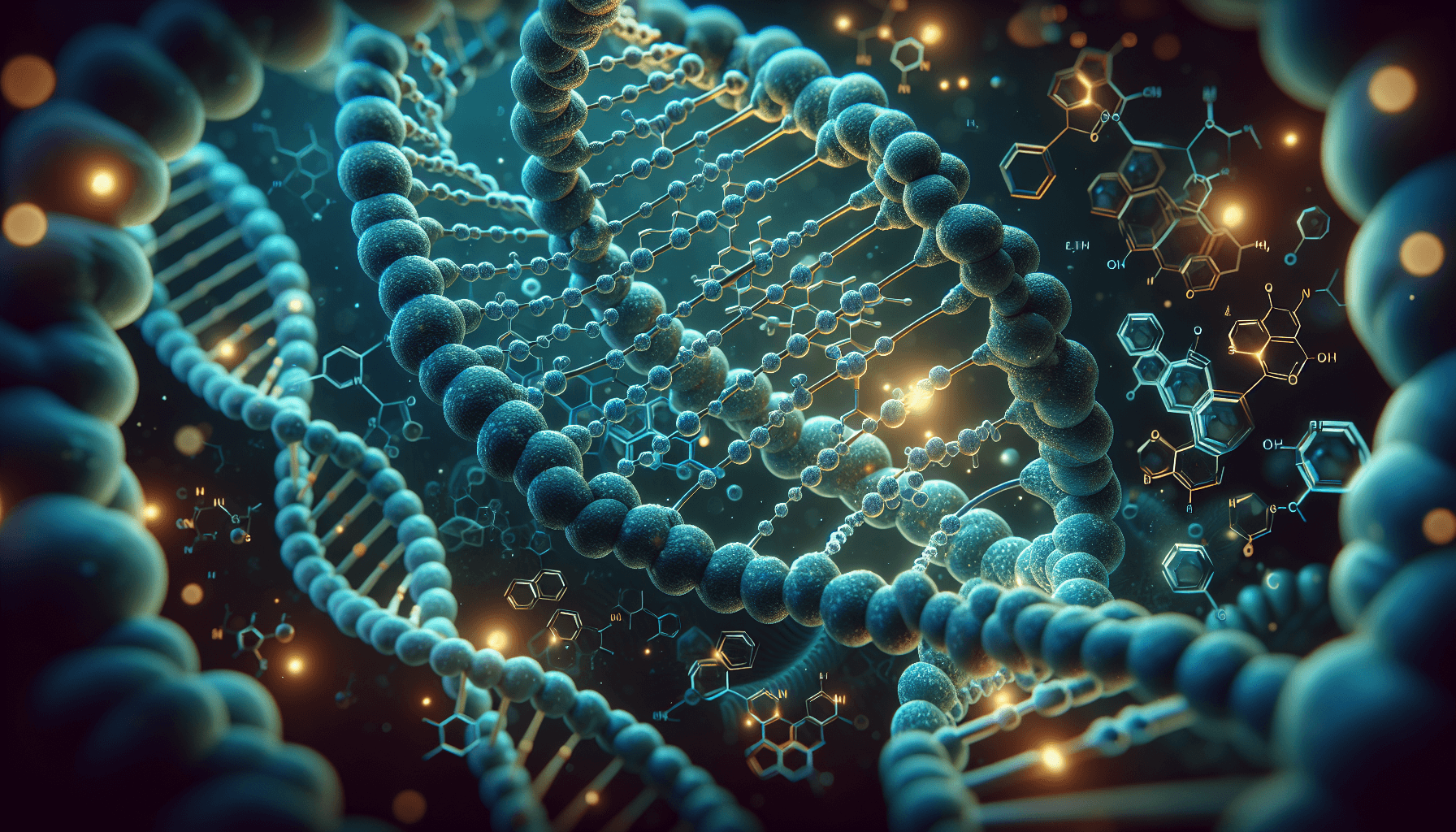
I've been following the rapamycin story for over a decade. When I first came across it in 2013, it was a transplant drug that a handful of researchers were quietly whispering about at longevity conferences. Today, it sits at the center of what may be the most consequential anti-aging debate in science. Should healthy people take a drug typically reserved for organ transplant patients in an effort to live longer? The answer is complicated, fascinating, and depends entirely on how you weigh available evidence against unknown risks.
Let me walk you through everything I know about rapamycin, from the mechanism to the human data to the protocols being used by some of the most informed longevity physicians on the planet.
What Is Rapamycin?
Rapamycin (generic name: sirolimus) is a macrolide compound originally discovered in soil bacteria on Easter Island in 1972. Scientists found it in a sample of Streptomyces hygroscopicus, and it was initially developed as an antifungal agent. Its potent immunosuppressive properties were later recognized, leading to its FDA approval in 1999 for preventing organ rejection in kidney transplant patients.
The drug's name comes from Rapa Nui, the indigenous name for Easter Island. Its mechanism wasn't fully understood for years after discovery, but eventually researchers identified its primary molecular target: a protein they named mechanistic Target of Rapamycin, or mTOR. This discovery turned out to be one of the most important finds in the biology of aging.
The mTOR Connection: Why This Matters for Aging
mTOR is a master regulator of cellular growth, metabolism, and proliferation. Think of it as your cells' internal growth throttle. When nutrients are abundant and conditions are favorable, mTOR signals the cell to grow, divide, and produce proteins. When food is scarce or the cell is stressed, mTOR activity drops and the cell shifts into maintenance and repair mode.
Here's why this is critical for aging: mTOR sits at the intersection of virtually every major longevity pathway we know about. Caloric restriction, the most reproducible intervention for extending lifespan across species, works largely through mTOR inhibition. Fasting activates autophagy, the cellular self-cleaning process, through the same mechanism. Exercise temporarily suppresses mTOR, then allows it to spike, cycling between growth and repair.
The problem modern humans face is chronic mTOR overactivation. We eat too much, too frequently, with too many proteins and simple carbohydrates, keeping mTOR in a near-constant "grow" state. Over decades, this drives cellular senescence, impairs autophagy, promotes inflammation, and accelerates virtually every hallmark of aging.
Rapamycin inhibits mTOR, specifically a complex called mTORC1, mimicking the longevity-promoting effects of caloric restriction without requiring you to actually starve yourself.
The Animal Data: Extraordinarily Compelling
The evidence for rapamycin extending lifespan in animal models is remarkable, both in its consistency and in some surprising features that make it particularly relevant to humans.
The ITP Studies
The Interventions Testing Program, a rigorous NIA-funded multi-site study designed specifically to identify compounds that extend mouse lifespan, has tested rapamycin multiple times with consistent results. In a landmark 2009 study published in Nature, Harrison et al. showed that rapamycin extended median lifespan by 9% in male mice and 14% in female mice. What made this especially striking: treatment didn't begin until the mice were 20 months old, roughly equivalent to 60 years in human terms. The drug worked even when started in late middle age.
Subsequent ITP studies have confirmed this effect repeatedly. Rapamycin remains one of the most replicated longevity interventions in the program's history, which includes hundreds of tested compounds.
Beyond Lifespan: Healthspan Markers
The more interesting story might be what rapamycin does to healthspan, not just lifespan. Studies in mice have shown improvements in cardiac function, immune system performance, cognitive function, muscle mass preservation, and cancer resistance. A 2016 study in Aging Cell found that even brief rapamycin treatment in late life reversed age-related immune decline, a finding with obvious human implications.
Research in invertebrates shows similar effects. Rapamycin extends lifespan in yeast, worms, and flies, suggesting the mTOR pathway is deeply conserved across evolution and that its manipulation produces consistent longevity effects across fundamentally different organisms.
The Emerging Human Evidence
This is where things get genuinely exciting, and appropriately cautious. Human trials are underway, and the early results are encouraging but not yet definitive.
The Mannick Study: Immune Rejuvenation in Elderly Adults
A 2014 study led by Dr. Joan Mannick at Novartis tested a rapalog (RAD001, or everolimus, a rapamycin analog) in adults over 65. The 6-week treatment improved immune response to influenza vaccination by 20% and reduced the proportion of exhausted T cells, markers of immune aging. Published in Science Translational Medicine, this was the first serious human evidence that mTOR inhibition could reverse aspects of immune aging.
A follow-up 2018 study by the same group used a combination of low-dose rapamycin analogs and showed even stronger immune improvements with an acceptable side effect profile at low doses.
PEARL Trial and Dog Aging Project
The PEARL trial (Participatory Evaluation of Aging with Rapamycin for Longevity), one of the most ambitious human rapamycin trials to date, has been enrolling participants to specifically examine whether low-dose rapamycin safely improves biological aging markers in healthy middle-aged adults. Early data suggest improvements in several biomarkers including epigenetic age clocks, though comprehensive results are still being analyzed.
The Dog Aging Project, led by Dr. Matt Kaeberlein at the University of Washington, has been treating companion dogs with rapamycin. This is useful because dogs share our environment, get similar diseases, and have faster aging clocks that let researchers see signals in years rather than decades. Preliminary results showed improvements in cardiac function in treated dogs, with ongoing larger trials examining lifespan effects directly.
The Longevity Physician Community
It's worth noting that an increasing number of physicians focused on longevity, including prominent figures like Dr. Peter Attia, have been publicly discussing rapamycin protocols for healthy adults. This isn't mainstream medicine, but it represents a significant shift in how the medical community is engaging with the available evidence.
In my own protocol, I've been tracking several biomarkers including inflammatory markers, immune cell panels, and continuous glucose monitoring data while following a low-dose intermittent rapamycin approach. The experience has been informative, though I want to be clear: I work with a physician, monitor closely, and this is not a recommendation for anyone to self-prescribe.
How Rapamycin Works: The mTORC1 vs mTORC2 Distinction
Understanding the difference between mTOR complexes is essential for understanding both the drug's promise and its risks.
mTOR forms two distinct protein complexes in cells: mTORC1 and mTORC2. Rapamycin acutely and selectively inhibits mTORC1. This is the complex responsible for most of the longevity-relevant effects, including autophagy regulation, protein synthesis control, and metabolic signaling.
mTORC2 plays different roles, including insulin signaling, cytoskeletal organization, and cell survival. Here's the critical nuance: with chronic, continuous rapamycin dosing (as used in transplant patients, typically daily at doses of 2-5mg or higher), rapamycin eventually also inhibits mTORC2. This mTORC2 inhibition is associated with the metabolic side effects seen in transplant patients, including insulin resistance and dyslipidemia.
The intermittent dosing strategy used in longevity protocols, typically 5-10mg once weekly, appears to inhibit mTORC1 effectively while allowing mTORC2 to recover between doses. This is a key insight that distinguishes longevity use from transplant dosing and likely explains why the side effect profiles differ substantially.
Side Effects and Risk Considerations
Let's be direct here: rapamycin carries real risks, and anyone considering it needs to understand them honestly.
Immunosuppression
Rapamycin is an immunosuppressant. At transplant doses, this is profound and intentional. At low intermittent longevity doses, the immunosuppressive effect is much milder, and paradoxically, the Mannick studies suggest it may actually improve immune function in older adults by clearing exhausted immune cells. The net immune effect at low doses in healthy people remains an active area of research.
Practically: increased susceptibility to infections is a concern. The data suggests this risk is low at intermittent low doses, but it's not zero. If you're immunocompromised for any reason or regularly exposed to infectious diseases, this warrants serious consideration.
Wound Healing Impairment
Rapamycin impairs wound healing, one of its most consistently documented side effects even at low doses. Most longevity physicians recommend pausing rapamycin before surgeries or after significant injuries. This is a practical concern, not a theoretical one.
Mouth Sores (Stomatitis)
Oral ulcers are the most commonly reported side effect at longevity doses. They occur in roughly 20-30% of users and tend to be manageable but uncomfortable. Some protocols use compounded topical steroids to address flare-ups.
Metabolic Effects
At transplant doses with daily administration, rapamycin causes insulin resistance and elevated triglycerides. At weekly longevity doses, these effects are much less pronounced and in some cases absent, though individual variation exists. Regular lipid panels and glucose monitoring are recommended.
Fertility and Reproductive Effects
Rapamycin has been shown to affect testosterone levels and sperm quality in animal studies. The human data is less clear, but this is an important consideration for men of reproductive age or those concerned about testosterone optimization. Women of childbearing potential should avoid rapamycin due to teratogenic risks.
Drug Interactions
Rapamycin is metabolized by CYP3A4, making it highly susceptible to drug interactions. Many common medications, supplements (including grapefruit!), and foods can significantly alter rapamycin blood levels. This requires careful attention and ideally, monitoring of rapamycin blood levels (trough levels) when used alongside other compounds.
Dosing Protocols in the Longevity Community
I want to be clear again: I'm describing what's being used in practice, not prescribing. This requires physician oversight.
The most commonly discussed protocol in the longevity medicine community involves 5-10mg of rapamycin taken orally once per week. Some physicians start patients at 1-2mg weekly and titrate up while monitoring for side effects. The once-weekly dosing is specifically designed to maximize mTORC1 inhibition while allowing mTORC2 recovery.
Some practitioners combine rapamycin with metformin, NMN/NR, or other longevity compounds. The combination of rapamycin and acarbose has shown synergistic effects in the ITP mouse studies, extending lifespan more than either compound alone.
Typical monitoring includes:
- CBC (complete blood count) to monitor for immune suppression
- Comprehensive metabolic panel including fasting glucose and insulin
- Lipid panel (triglycerides and LDL can increase)
- Rapamycin trough levels (especially if combining with interacting drugs)
- Regular infection symptom monitoring
Who Should Not Take Rapamycin
Beyond the general caution that this requires physician oversight, there are clear contraindications:
- Women who are pregnant, breastfeeding, or planning pregnancy
- People with active infections or chronic immunocompromising conditions
- Anyone taking medications that significantly interact with CYP3A4
- People with uncontrolled hyperlipidemia
- Those planning surgery in the near term
- People with a history of hypersensitivity to rapamycin
The Honest Assessment: Where Does This Leave Us?
Rapamycin is the most scientifically supported longevity intervention that doesn't have robust long-term human safety data at longevity doses. That tension is real and important.
The animal data is extraordinarily compelling. The mechanism is well understood. The early human data is encouraging. But we don't yet have decades of human data at these doses in healthy people. The physicians and researchers using it are essentially making an informed bet that the animal data translates, that the side effect mitigation strategies work, and that the benefits outweigh the unknown risks.
That bet might be correct. I think the probability is meaningful. But anyone considering rapamycin needs to understand they're participating in the early chapters of a story whose ending we don't yet know.
What I tell people who ask me about my own exploration: I'm doing it with full physician oversight, rigorous monitoring, and a genuine willingness to stop if anything concerning emerges. I'm not betting my health on animal data alone, I'm making a calculated probability assessment with my eyes fully open.
The Future of Rapamycin Research
The next few years should be genuinely informative. The PEARL trial is expected to publish comprehensive results that will help clarify the benefit-risk profile at longevity doses. The Dog Aging Project's larger trials will provide cleaner signals on healthspan and lifespan effects.
There's also increasing interest in partial mTOR inhibitors and more selective compounds that might capture rapamycin's benefits with fewer side effects. Researchers are exploring rapalogs and other mTOR pathway modulators that might offer better therapeutic windows.
The broader longevity field is also beginning to ask harder questions: can we use biomarkers to identify who responds best to rapamycin, and can we personalize dosing to optimize effects while minimizing risk? This kind of precision approach is where the field needs to go.
Frequently Asked Questions
Can I get rapamycin for longevity purposes?
Rapamycin requires a prescription in the US and most countries. Some physicians, particularly those focused on longevity medicine, do prescribe it off-label for this purpose. Organizations like the Academy for Health and Human Performance and various longevity clinics are increasingly comfortable discussing and prescribing it. This is not something to pursue through unregulated sources.
How quickly does rapamycin affect biological aging markers?
The Mannick studies showed measurable immune improvements within 6 weeks. Epigenetic clock data from early PEARL trial participants suggests shifts in biological age markers within months. Animal data shows consistent effects at multiple timepoints. That said, any meaningful health impact in humans is likely cumulative over years, not weeks.
Is rapamycin the same as everolimus?
No, but they're related. Everolimus (marketed as Afinitor or Zortress) is a rapalog, a synthetic rapamycin analog with a shorter half-life that requires daily dosing to maintain therapeutic levels. It's FDA-approved for various cancers and organ transplant. Some longevity physicians use rapamycin rather than everolimus because the longer half-life may be advantageous for weekly dosing protocols.
Does rapamycin work better combined with other supplements?
The combination of rapamycin and acarbose has the strongest multi-compound data from ITP mouse studies, showing synergistic lifespan extension. Metformin is commonly co-prescribed by longevity physicians for its complementary mechanisms. Whether these combinations translate to additional human benefit is unknown, but the mechanistic rationale is sound.
What's the difference between longevity dosing and transplant dosing?
Transplant dosing is typically 2-5mg daily with target trough levels of 4-12 ng/mL. Longevity dosing is typically 5-10mg once weekly with trough levels that drop to near zero before the next dose. The intermittent approach preserves mTORC2 activity and produces a fundamentally different pharmacological profile than continuous dosing.
Will rapamycin suppress my immune system and make me sick more often?
At longevity doses, the data suggests minimal clinically significant immunosuppression in healthy adults, with some evidence of improved immune function through clearance of senescent immune cells. That said, any immunosuppressive effect warrants monitoring. Anecdotally, most healthy adults on weekly low-dose protocols report no increase in infection frequency, though this needs larger prospective studies to confirm.
Final Thoughts
Rapamycin represents something genuinely rare in longevity science: an intervention with plausible mechanism, multiple independent lines of animal evidence, and emerging human data, that's available as an approved pharmaceutical with a known safety profile at transplant doses.
Is it ready for broad, unsupervised use as a longevity drug? No. Is it something that thoughtful physicians and well-informed patients are justified in exploring carefully with full monitoring? I think the answer is yes, with eyes wide open.
The mTOR pathway is real, its role in aging is established, and rapamycin is the best tool we currently have to modulate it. Whether it translates to meaningful longevity benefits in humans, we'll know more in the next few years. I find that timeline genuinely exciting.
If you're considering exploring rapamycin, start with thorough research, find a physician who understands the longevity literature, get baseline labs, and go in with a clear monitoring plan. This is not a supplement you add to your stack casually. It's a serious pharmaceutical intervention that deserves serious attention.
Alex Chen
MSc Biomedical Engineering, Certified Biohacking Coach
Biomedical engineer and biohacking coach. Focused on evidence-based longevity protocols and wearable technology integration for optimal healthspan.
You might also like
Spermidine for Longevity: How This Natural Compound Activates Cellular Renewal
Discover how spermidine triggers autophagy and cellular renewal. Science-backed guide to supplementation, food sources, and anti-aging benefits for 2026.

Best Nootropics for Brain Longevity and Cognitive Health in 2026
Your brain ages faster than you think. These are the nootropics with real clinical evidence for protecting cognitive function and promoting brain longevity.

7 Best Longevity Supplements Backed by Science in 2026
The longevity supplement market is flooded with hype. Here are the 7 supplements that actually have strong clinical evidence for extending healthspan in 2026.