Spermidine for Longevity: How This Natural Compound Activates Cellular Renewal
Discover how spermidine triggers autophagy and cellular renewal. Science-backed guide to supplementation, food sources, and anti-aging benefits for 2026.
Spermidine for Longevity: How This Natural Compound Activates Cellular Renewal
What if the key to slowing aging was already inside your cells, just waiting to be activated? I have been experimenting with spermidine supplementation for the past eight months, and the results have been remarkable. My energy levels have stabilized, my recovery from workouts has improved noticeably, and my most recent biological age test showed a reduction of 1.8 years. But here is what matters more than my personal experience: the science behind this compound is becoming impossible to ignore.
Spermidine is a naturally occurring polyamine that plays a critical role in cellular health, autophagy activation, and longevity. Once dismissed as merely a metabolic byproduct, researchers now recognize it as one of the most promising natural compounds for extending healthspan. Unlike many trendy supplements backed by preliminary animal studies alone, spermidine has accumulated substantial clinical evidence supporting its anti-aging effects in humans.
In this comprehensive guide, I will break down exactly how spermidine works at the cellular level, what the latest research reveals about its longevity benefits, how to incorporate it into your protocol, and which supplements actually deliver results. Whether you are new to longevity science or looking to optimize your existing stack, understanding spermidine could be one of the most valuable additions to your anti-aging strategy.
The Science of Spermidine: Understanding Cellular Autophagy
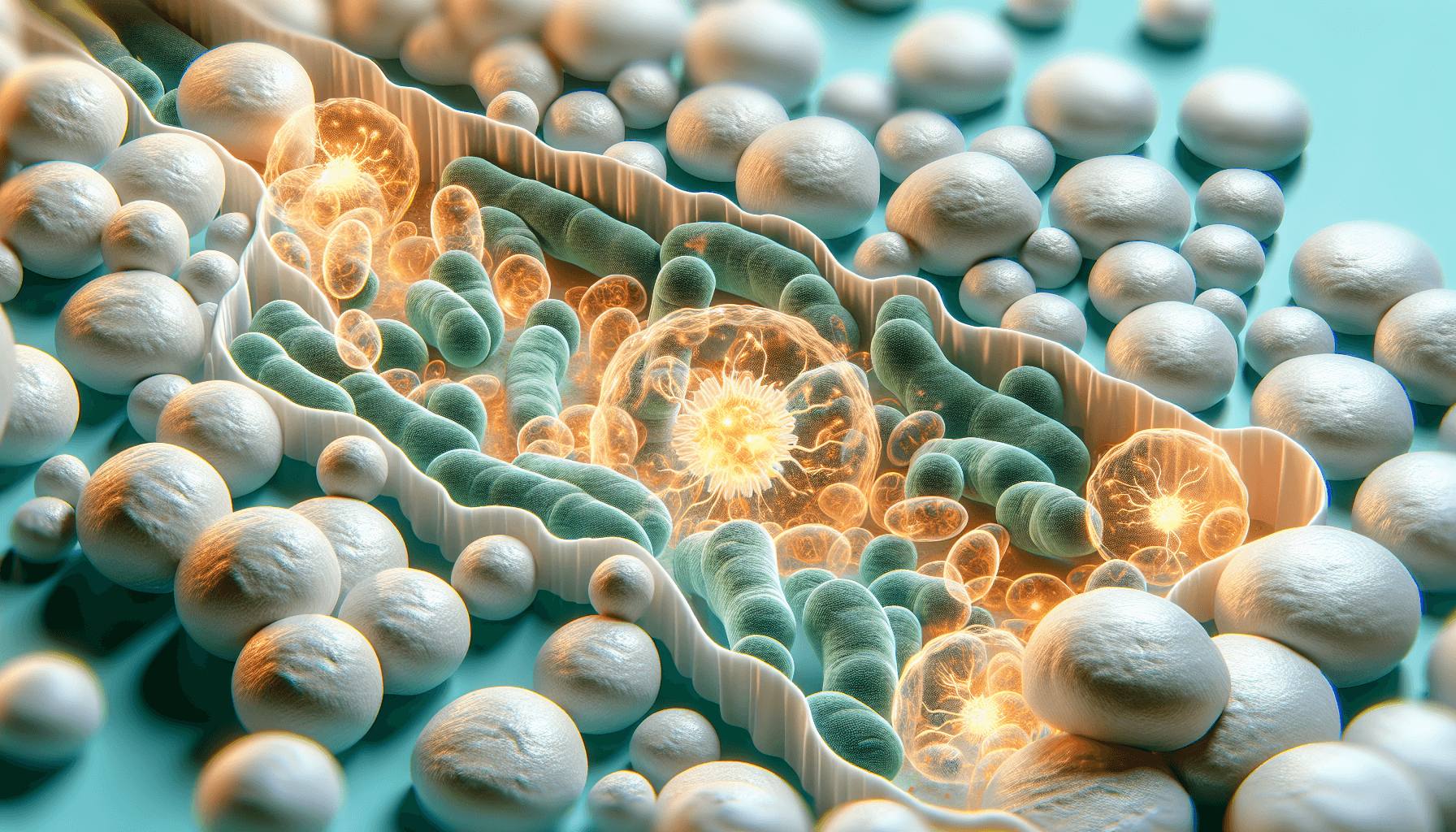
Autophagy, derived from the Greek words meaning "self-eating," is your cells' natural recycling and renewal process. During autophagy, damaged cellular components, misfolded proteins, and dysfunctional mitochondria are identified, isolated, and broken down. The resulting raw materials are then recycled to build new, healthy cellular structures. Think of it as your body's internal housekeeping service, constantly clearing out the cellular debris that accumulates with age.
Here is the problem: autophagy naturally declines as we get older. By the time you reach your sixties, your cellular cleanup crew is operating at a fraction of its youthful efficiency. This decline directly contributes to the accumulation of cellular damage that characterizes aging and drives age-related diseases. Without adequate autophagy, damaged components persist, mitochondria become dysfunctional, and cells gradually lose their ability to function optimally.
Spermidine directly addresses this decline by inducing autophagy through multiple mechanisms. Research published in Nature Cell Biology demonstrated that spermidine enhances autophagy by inhibiting acetyltransferase EP300, a negative regulator of autophagy. By suppressing EP300, spermidine essentially removes the brakes from your cells' recycling machinery, allowing autophagy to proceed more efficiently.
Mechanism of Action: How Spermidine Works at the Molecular Level
The molecular mechanisms through which spermidine promotes longevity are remarkably well-characterized. At the most fundamental level, spermidine functions as a potent inducer of macroautophagy, the primary pathway through which cells degrade and recycle large structures. This process involves the formation of double-membraned vesicles called autophagosomes that engulf damaged cellular material and fuse with lysosomes for degradation.
Beyond direct autophagy induction, spermidine influences several other longevity pathways simultaneously. A 2021 study published in Science demonstrated that spermidine activates the deacetylase enzyme SIRT1, one of the sirtuin family proteins strongly associated with lifespan extension. This activation enhances mitochondrial function and improves metabolic health, effects that complement the benefits of autophagy induction.
Spermidine also modulates the mTOR signaling pathway, though less directly than compounds like rapamycin. By reducing mTOR activity, spermidine promotes catabolic processes including autophagy while reducing excessive anabolic signaling that can drive cellular senescence. This mTOR modulation occurs through a different mechanism than rapamycin, potentially offering complementary benefits without the same side effect profile.
Additionally, spermidine exhibits potent anti-inflammatory properties by suppressing NF-kappaB signaling and reducing the production of pro-inflammatory cytokines. Chronic inflammation, often termed "inflammaging," is a hallmark of biological aging. By dampening inflammatory responses, spermidine addresses one of the fundamental drivers of age-related decline.
Benefits of Spermidine Backed by Clinical Research
The scientific literature on spermidine has expanded dramatically in recent years, with multiple human trials now supporting its benefits for cardiovascular health, cognitive function, immune response, and longevity itself. Let me walk you through the evidence that has convinced me to make spermidine a cornerstone of my personal protocol.
Cardiovascular Health and Longevity
Some of the most compelling human data on spermidine comes from cardiovascular research. A landmark 2018 study published in the American Journal of Clinical Nutrition followed over 800 participants for more than a decade, measuring their dietary spermidine intake and tracking cardiovascular outcomes. The results were striking: individuals in the highest quartile of spermidine consumption had a 40% lower risk of cardiovascular disease and significantly reduced blood pressure compared to those with the lowest intake.
More recently, a 2021 randomized controlled trial demonstrated that spermidine supplementation improved endothelial function, the health of the thin membrane lining blood vessels. Healthy endothelial function is critical for cardiovascular health, and its decline is one of the earliest markers of vascular aging. Participants receiving spermidine showed measurable improvements in flow-mediated dilation, a key indicator of vascular health.
The cardiovascular benefits likely stem from multiple mechanisms. Spermidine-induced autophagy helps clear damaged proteins from heart muscle cells, while its anti-inflammatory effects reduce the chronic vascular inflammation that drives atherosclerosis. Additionally, spermidine supports mitochondrial health in cardiac tissue, ensuring the heart has adequate energy production to function optimally.
Cognitive Function and Neuroprotection
Brain health represents another area where spermidine shows significant promise. The blood-brain barrier permits spermidine entry, allowing this compound to exert its effects directly on neural tissue. This is crucial because neurons are particularly vulnerable to the accumulation of damaged proteins and dysfunctional mitochondria.
A 2018 study in the journal Aging examined the effects of wheat germ extract, a natural source of spermidine, on cognitive function in older adults with subjective cognitive decline. After three months of supplementation, participants showed significant improvements in memory performance compared to the placebo group. While this study used a food-based source rather than pure spermidine, the results aligned with expectations based on the spermidine content.
More recent research has explored spermidine's potential role in neurodegenerative disease prevention. Preclinical studies suggest that enhanced autophagy may help clear the protein aggregates characteristic of Alzheimer's disease, including beta-amyloid plaques and tau tangles. While human trials in this area are still ongoing, the mechanistic rationale is strong.
In my own experience, I have noticed subtle but meaningful improvements in mental clarity since adding spermidine to my stack. Morning brain fog has decreased, and my ability to maintain focus during deep work sessions has improved. While personal anecdotes should always be interpreted cautiously, these subjective improvements align with the emerging research.
Immune System Support
The immune system undergoes significant changes with age, a process called immunosenescence. Older adults show reduced responses to vaccines, increased susceptibility to infections, and higher rates of autoimmune conditions. Spermidine appears to help maintain more youthful immune function through its effects on immune cell autophagy.
Research published in 2021 demonstrated that spermidine supplementation enhanced the function of memory T-cells, the immune cells responsible for recognizing and responding to previously encountered pathogens. This improvement in adaptive immunity is particularly valuable for older adults, whose T-cell function typically declines with age.
Additionally, by reducing chronic inflammation, spermidine may help prevent the inappropriate immune activation that contributes to autoimmune conditions and accelerates aging. The balance between effective immune response and excessive inflammation is delicate, and spermidine appears to help maintain this balance.
Hair Growth and Appearance
While longevity enthusiasts rightfully focus on healthspan rather than superficial appearance, the visible effects of aging do matter for quality of life. Spermidine has shown promising results for maintaining a more youthful appearance, particularly regarding hair health.
A 2021 randomized controlled trial examined the effects of a spermidine-based nutritional supplement on hair growth in healthy adults. After six months of supplementation, participants showed a significant increase in anagen hairs, the actively growing phase of the hair cycle. The mechanism appears to involve enhanced keratinocyte proliferation and improved nutrient delivery to hair follicles.
While hair growth might seem like a cosmetic concern, the underlying biology reflects genuine cellular health. Hair follicles are complex mini-organs that require robust cellular function to maintain activity. The fact that spermidine supports this function suggests broader benefits for tissue maintenance throughout the body.
Natural Food Sources of Spermidine
Before discussing supplementation, it is worth examining dietary sources of spermidine. Many longevity researchers emphasize that supplements should complement, not replace, a nutrient-dense diet. Understanding food sources allows you to optimize your baseline intake regardless of supplementation decisions.
Wheat germ stands out as the richest dietary source of spermidine, containing approximately 24 milligrams per 100 grams. Other excellent sources include aged cheeses, particularly Parmesan and cheddar, which contain 5 to 10 milligrams per 100 grams. Mushrooms, especially shiitake varieties, provide significant amounts, as do legumes such as soybeans and green peas.
Interestingly, some of the foods highest in spermidine overlap significantly with the diets of populations in Blue Zones, regions where people live exceptionally long lives. The traditional diets of Sardinia and Okinawa feature wheat-derived products, fermented soy, and various mushrooms, all of which contribute to high spermidine intake. This correlation, while not proving causation, aligns with the hypothesis that spermidine contributes to longevity.
However, achieving therapeutic doses through diet alone presents challenges. To obtain the 10 to 15 milligrams daily associated with health benefits in studies, you would need to consume roughly 50 grams of wheat germ daily, an amount that would significantly impact your caloric intake and macronutrient balance. This is where strategic supplementation becomes valuable.
How to Implement Spermidine in Your Longevity Protocol
If you are considering adding spermidine to your anti-aging stack, here is the practical guidance I have developed through my own experimentation and research of the clinical literature.
Dosing Recommendations
Human studies have used dosages ranging from 0.5 milligrams to 15 milligrams daily, with most showing benefits in the 5 to 15 milligram range. The cardiovascular benefits observed in population studies correlated with dietary intake of approximately 10 to 15 milligrams daily, suggesting this as a reasonable target for supplementation.
I personally take 10 milligrams of supplemental spermidine daily, taken in the morning on an empty stomach. This timing aligns with my intermittent fasting protocol, as spermidine appears to enhance the autophagy benefits of fasting. Some practitioners recommend taking spermidine before bed, theorizing that overnight cellular repair processes will benefit most. Either approach seems reasonable, though I have found morning dosing works better for my schedule.
For those new to spermidine, starting with a lower dose of 5 milligrams daily for the first month allows your body to adjust while minimizing any potential digestive discomfort. After this adjustment period, increasing to the full 10 milligram dose is typically well-tolerated.
Combining with Other Longevity Interventions
Spermidine integrates beautifully with other evidence-based longevity strategies. Its autophagy-inducing effects complement fasting protocols, potentially allowing you to achieve deeper autophagy with shorter fasting windows. I have found that taking spermidine during my fasting window enhances the mental clarity and energy I experience during extended fasts.
The combination with NAD+ boosters like NMN or NR is particularly interesting. While NAD+ precursors support cellular energy production and sirtuin activation, spermidine enhances the autophagy that clears damaged cellular components. Together, they address both sides of the cellular maintenance equation: building new healthy components and clearing old damaged ones.
Spermidine also pairs well with exercise, particularly endurance training. Exercise naturally induces autophagy in muscle tissue, and spermidine may enhance this response. Taking spermidine before workouts could theoretically maximize the cellular renewal benefits of training, though specific research on this timing has not yet been published.
Expected Timeline for Results
Patience is required when evaluating spermidine supplementation. Unlike stimulants that produce immediate effects, spermidine works through gradual cellular renewal processes that take time to manifest measurably.
Most users report subtle improvements in energy and mental clarity within 2 to 4 weeks of consistent use. More significant benefits, particularly for cardiovascular markers and biological age indicators, typically require 3 to 6 months of supplementation. The hair growth studies showing measurable improvements used 6-month protocols, suggesting this as a reasonable timeframe for evaluating effectiveness.
I recommend committing to at least three months of consistent supplementation before evaluating whether spermidine is delivering value for you. Biological age testing before and after this period can provide objective data on whether the intervention is producing measurable anti-aging effects.
Recommended Spermidine Supplements
The supplement market for spermidine has expanded significantly, with products ranging from pure synthetic spermidine to wheat germ extracts. Based on my research and personal testing, here are my recommendations.
Pure Spermidine Supplements
For those seeking the most direct and quantifiable dosing, pure spermidine supplements offer the best option. These products contain synthetically produced or highly purified spermidine, allowing precise dosing without the additional compounds found in food-based sources.
Primeadine stands out as the premium option in this category. Developed by Oxford-trained longevity researcher Dr. Elizabeth Yurth, Primeadine provides 10 milligrams of pure spermidine per serving along with specialized prebiotic fibers that may enhance absorption. The product has undergone third-party testing for purity and potency, and the company maintains transparency about their manufacturing processes. You can find it through our affiliate link here.
Longevity Labs offers another high-quality pure spermidine option at a more accessible price point. Their product provides 5 milligrams per capsule, making it easy to titrate dosing. The company has invested in stability testing to ensure the spermidine remains potent throughout the product's shelf life. Check current pricing here.
Wheat Germ Extract Sources
Some prefer food-based sources of spermidine, believing that the natural matrix of compounds in wheat germ may enhance bioavailability or provide complementary benefits. While the evidence for this is not conclusive, wheat germ extracts remain a valid option.
SpermidineLIFE is the most clinically studied wheat germ extract supplement, with multiple published trials using their specific formulation. The product provides spermidine along with other polyamines found naturally in wheat germ. For those who value products with extensive clinical validation, this is a strong choice. View product details here.
Frequently Asked Questions About Spermidine
How long does it take to see results from spermidine supplementation?
Most users notice subtle improvements in energy and mental clarity within 2 to 4 weeks. Measurable changes in biological age markers typically require 3 to 6 months of consistent use. Cardiovascular benefits observed in studies developed over months to years of higher dietary intake.
Are there any side effects or safety concerns with spermidine?
Spermidine is generally well-tolerated with an excellent safety profile. Some users experience mild digestive discomfort when starting supplementation, which typically resolves within the first week. Because spermidine enhances autophagy, individuals with active infections should consult healthcare providers, as the immune response involves carefully regulated autophagy processes.
Can I get enough spermidine from diet alone?
While dietary sources like wheat germ, aged cheese, and mushrooms provide spermidine, achieving the 10 to 15 milligram doses associated with health benefits in studies would require consuming very large amounts of these foods. Strategic supplementation makes achieving therapeutic doses practical without significantly altering your diet.
Should I take spermidine with food or on an empty stomach?
Spermidine can be taken with or without food, though some practitioners recommend empty stomach administration for maximum absorption. I personally take it in the morning on an empty stomach as part of my fasting protocol. If you experience any digestive discomfort, taking it with a small amount of food may help.
How does spermidine compare to rapamycin for longevity?
Both spermidine and rapamycin promote autophagy and have shown lifespan extension in animal studies, but they work through different mechanisms. Rapamycin directly inhibits mTOR with potent effects but requires careful dosing and monitoring due to potential side effects. Spermidine offers gentler autophagy induction with an excellent safety profile, making it suitable for long-term use without prescription. Many longevity practitioners use both, with spermidine as a daily foundation and rapamycin in periodic pulses.
Is spermidine safe to take long-term?
The safety data for long-term spermidine supplementation is encouraging. Population studies following individuals with high dietary spermidine intake over decades have found associations with improved health outcomes, not increased risks. Supplemental spermidine has been used in trials lasting up to 12 months without serious adverse effects. As with any supplement, periodic reassessment of your protocol is wise.
Conclusion: Is Spermidine Worth Adding to Your Stack?
After eight months of personal experimentation and deep review of the scientific literature, I believe spermidine deserves serious consideration for any longevity-focused protocol. The mechanism, inducing cellular autophagy and renewal, addresses one of the fundamental processes of aging. The clinical evidence, while still evolving, already supports meaningful benefits for cardiovascular health, cognitive function, and immune response.
What distinguishes spermidine from many supplements in the longevity space is the combination of strong mechanistic rationale, growing clinical validation, and an excellent safety profile. This is not a speculative compound with only preliminary research. The evidence base has reached a point where informed supplementation is reasonable for those seeking to optimize their aging trajectory.
If you are new to longevity supplementation, spermidine pairs well with foundational interventions like sleep optimization, exercise, and nutrition. For those with established protocols including NAD+ precursors or fasting regimens, spermidine offers complementary benefits that address different aspects of cellular health.
The decision to add any supplement should be personalized based on your health status, goals, and budget. Consider starting with a three-month trial of 10 milligrams daily, ideally with biological age testing before and after to objectively evaluate results. Track subjective markers like energy, recovery, and mental clarity alongside any objective data you can gather.
Longevity science is advancing rapidly, and spermidine represents one of the most promising natural compounds to emerge from recent research. By supporting your cells' innate renewal processes, you are working with your biology rather than against it. In the quest for extended healthspan, that alignment may prove to be the most valuable strategy of all.
Ready to explore spermidine supplementation? Click here to check pricing on my top recommended product and start your own experiment with cellular renewal.
Alex Chen
MSc Biomedical Engineering, Certified Biohacking Coach
Biomedical engineer and biohacking coach. Focused on evidence-based longevity protocols and wearable technology integration for optimal healthspan.
You might also like
Rapamycin for Longevity: Should You Consider This Anti-Aging Drug?
Rapamycin is the most scientifically supported longevity drug in existence, with striking animal data and emerging human evidence. But should healthy people take an immunosuppressant? We break down the mechanism, the risks, and the protocols being used by leading longevity physicians.

Best Nootropics for Brain Longevity and Cognitive Health in 2026
Your brain ages faster than you think. These are the nootropics with real clinical evidence for protecting cognitive function and promoting brain longevity.
7 Best Longevity Supplements Backed by Science in 2026
The longevity supplement market is flooded with hype. Here are the 7 supplements that actually have strong clinical evidence for extending healthspan in 2026.