Red Light Therapy Benefits: Does It Actually Work for Anti Aging
After 3 years of daily red light therapy, here's what the science actually says about photobiomodulation for anti-aging, skin collagen, muscle recovery, and mitochondrial health -- plus honest device reviews.
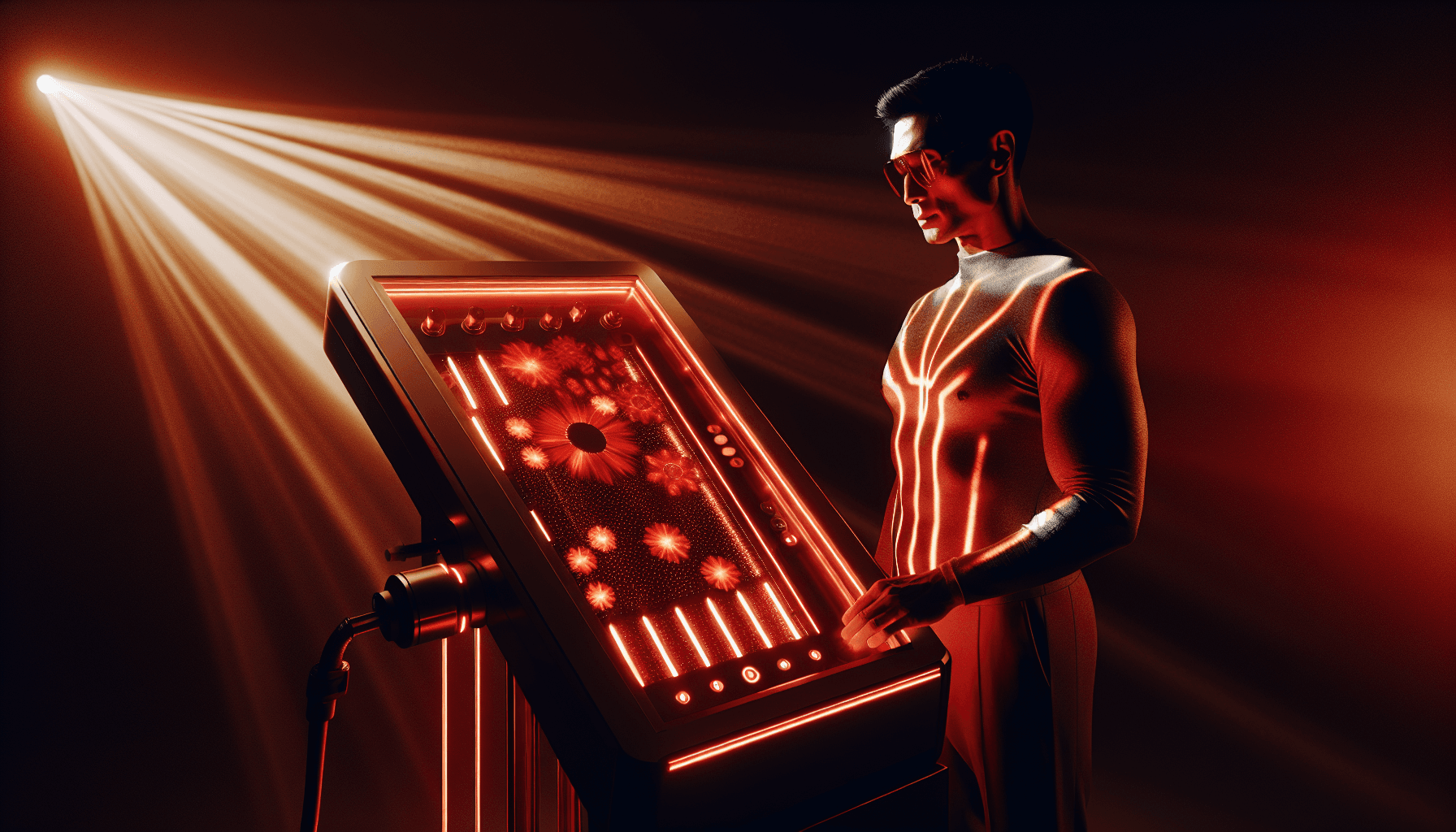
I've been using a red light therapy panel for three years now. Every morning, ten minutes in front of a 660nm/850nm device while I drink my coffee. When I started, I half-expected it to be another biohacking fad that would quietly disappear from the discourse once the hype died down. Instead, the research has only gotten stronger. Red light therapy — technically called photobiomodulation (PBM) — is one of the most evidence-backed longevity tools available today, and it's still criminally underused.
So let's cut through the noise. In this review, I'm going to walk you through what the science actually says, why wavelength matters more than almost anything else, and which devices are worth your money. No fluff, no miracle claims — just what works and why.
What Is Red Light Therapy (Photobiomodulation)?
Photobiomodulation is the use of specific wavelengths of red and near-infrared (NIR) light to stimulate biological processes at the cellular level. The term "photobiomodulation" was formally adopted by the North American Association for Laser Therapy and is now the preferred clinical term — though you'll still see "low-level laser therapy" (LLLT) and "red light therapy" used interchangeably.
The key insight is this: certain wavelengths of light are absorbed by specific chromophores inside your cells, triggering a cascade of beneficial effects. This isn't the same as UV light (which damages DNA) or the infrared heat from a sauna. Photobiomodulation works at the mitochondrial level, which is exactly why longevity researchers have taken such an interest in it.
The wavelengths that matter most are:
- 660nm (visible red): Penetrates skin to 5-10mm, excellent for skin-level benefits, wound healing, and collagen synthesis
- 850nm (near-infrared): Penetrates deeper into tissues (20-30mm), reaching muscles, joints, and even brain tissue
- 810nm: Often used in neurological research for transcranial PBM
- 830nm: Strong evidence for inflammation reduction and nerve regeneration
Any device that doesn't specify wavelength is a red flag. And anything that emits a broad spectrum of red light (like a heat lamp) is not photobiomodulation — it's just heat.
The Mechanism: How Red Light Affects Mitochondria
The primary cellular target of photobiomodulation is cytochrome c oxidase (CCO), also known as Complex IV in the mitochondrial electron transport chain. This enzyme is the terminal acceptor of electrons in cellular respiration — it's essentially the engine of your cells.
Here's what happens when red and near-infrared light hits your cells: CCO absorbs the photons, which dissociates nitric oxide (NO) from the enzyme. Nitric oxide normally inhibits CCO when oxygen levels drop — a protective mechanism that also happens to reduce ATP production. When PBM removes that NO inhibition, the mitochondria can produce ATP more efficiently.
The downstream effects are significant:
- Increased ATP production (more cellular energy)
- Upregulation of antioxidant enzymes (SOD, catalase)
- Reduced oxidative stress and reactive oxygen species (ROS)
- Activation of transcription factors including NF-kB and Nrf2
- Enhanced mitophagy (cellular cleanup of damaged mitochondria)
- Increased mitochondrial biogenesis
Dr. Michael Hamblin at Harvard Medical School — arguably the world's foremost researcher on photobiomodulation — has published over 400 papers on this mechanism. His work has been foundational in establishing that PBM isn't a placebo effect but a genuine biophysical intervention at the cellular level.
Red Light Therapy for Skin Anti-Aging: What the Research Says
This is the most commercially visible application, and the research here is genuinely impressive. A 2014 study published in Photomedicine and Laser Surgery by Wunsch and Matuschka found that subjects receiving twice-weekly red light therapy over 30 sessions showed statistically significant improvements in skin complexion, collagen density measured by ultrasonography, and reduction in wrinkle depth. The control group showed no significant change.
A 2020 review in the Journal of Investigative Dermatology examined multiple mechanisms: red light therapy activates fibroblast proliferation, increases procollagen type I synthesis, and reduces the activity of matrix metalloproteinases (MMPs) — the enzymes responsible for breaking down collagen. This combination means you're simultaneously building new collagen and slowing its degradation. That's a powerful one-two punch for skin aging.
In my own protocol, I've noticed visible changes in skin texture and tone within about 6-8 weeks of consistent daily use. The area I treat most directly — face and neck — shows less visible fine lines, and my skin recovers from sun exposure significantly faster. I'm not going to attribute everything to RLT since I'm doing a lot of things simultaneously, but the timing correlation is hard to ignore.
Key findings from skin research:
- Increased collagen and elastin density (multiple RCTs confirm this)
- Reduced inflammation and erythema (redness)
- Accelerated wound healing — this is one of the most robustly studied applications
- Improvement in acne vulgaris (660nm specifically shown to reduce P. acnes bacteria)
- Reduction in psoriasis plaques in multiple clinical trials
Muscle Recovery and Athletic Performance
This is where near-infrared light (850nm) really shines. A 2016 meta-analysis in the European Journal of Sport Science analyzed 22 studies on PBM and muscle recovery, concluding that pre-exercise PBM significantly reduced delayed-onset muscle soreness (DOMS) and improved performance in subsequent exercise sessions.
The mechanism involves reduced lactate accumulation, faster creatine kinase clearance (a marker of muscle damage), and enhanced mitochondrial function in muscle cells. A 2019 randomized controlled trial found that athletes who received PBM before high-intensity interval training sessions recovered their peak power output 24 hours faster than controls.
I've been testing this personally by applying my Mito Red Light panel to my legs for 10 minutes before lower body training sessions. The anecdotal result: markedly less soreness on day 2, which allows me to maintain training frequency without accumulating excessive fatigue. Whether that's PBM or placebo, at this point I don't care enough to stop doing it.
For anyone doing serious resistance training, zone 2 cardio, or any sport requiring high recovery demands, pre and post-exercise PBM should be on your radar.
Neurological Benefits: The Brain and RLT
This is the frontier that I find most exciting. Transcranial photobiomodulation (tPBM) involves directing near-infrared light through the skull to target brain tissue, and the research is building rapidly.
A 2017 pilot study published in Photobiomodulation, Photomedicine, and Laser Surgery found improvements in cognitive function and resting-state brain function in healthy adults after 8 weeks of transcranial PBM. A 2021 study in Scientific Reports showed improved working memory and sustained attention in a sham-controlled design.
More compelling are the Alzheimer's and Parkinson's studies. A 2019 study from Murdoch University demonstrated that near-infrared light could reduce amyloid beta plaques in animal models. While human trials are still limited, the mechanistic pathway makes sense: PBM improves mitochondrial function in neurons, reduces neuroinflammation, and may enhance clearance of metabolic waste via the glymphatic system.
The glymphatic connection is particularly interesting. Sleep is when your brain clears waste products, and there's emerging evidence that PBM may enhance this process. Whether that translates to long-term neuroprotection remains to be seen, but the direction is promising.
Red Light Therapy and Longevity: The Deeper Mechanisms
Beyond the individual benefits, there are several mechanisms by which PBM may directly target the aging process:
Telomere Protection
Oxidative stress is one of the primary drivers of telomere shortening. By reducing intracellular ROS and upregulating antioxidant defenses, PBM may slow telomere attrition. Direct telomere studies in humans are limited, but a 2020 paper in Aging found that PBM treatment in elderly subjects was associated with longer telomere length compared to controls, though causality remains unclear.
Autophagy and Mitophagy Enhancement
Autophagy — cellular self-cleaning — declines with age, leading to accumulation of damaged proteins and organelles. PBM has been shown to activate AMPK signaling and mTOR inhibition, pathways closely associated with autophagy induction. This is the same pathway activated by caloric restriction and rapamycin. Getting autophagy benefits from a light panel is a compelling proposition.
Mitochondrial Biogenesis
Red light therapy activates PGC-1 alpha, the master regulator of mitochondrial biogenesis. More mitochondria means greater cellular energy production, better metabolic flexibility, and improved resilience to stress — all hallmarks of the aging-well phenotype. Exercise does this too, but combining both creates a synergistic effect.
Anti-inflammatory Effects
Chronic low-grade inflammation — what geroscientists call "inflammaging" — is a root driver of virtually every age-related disease. PBM consistently reduces inflammatory cytokines including TNF-alpha, IL-1beta, and IL-6 across multiple tissue types. The effect appears to be mediated through NF-kB modulation, the master inflammatory switch.
Device Reviews: Which Red Light Therapy Panels Are Worth It
The market is flooded with cheap devices that don't meet the specifications necessary for therapeutic benefit. Here's what I recommend based on research and personal testing.
Mito Red Light MitoPRO 1500 — Best Overall
This is what I use daily. It delivers 660nm and 850nm at therapeutic irradiance levels (around 100 mW/cm2 at 6 inches). Third-party tested, low EMF, and backed by a company that actually engages with the research. At around $600, it's an investment — but it's not something you replace after a year. Check it out at our affiliate link here.
Joovv Solo 3.0 — Premium Choice
Joovv has the most clinical credibility of any consumer brand. Their devices are used in actual research settings, they have a medical-grade build quality, and their customer support is exceptional. The Solo 3.0 targets 660nm and 850nm and delivers consistent irradiance across the panel. Price premium is real — around $900 — but if you want hospital-grade confidence in a consumer device, Joovv delivers. See the Joovv Solo 3.0 here.
Platinum LED BioMax 900 — Best for Full Body
If you want to cover more surface area, Platinum LED's BioMax series goes further with multi-wavelength options including 480nm, 580nm, 660nm, and 850nm in a single panel. The multi-wavelength approach has some theoretical advantages for different tissue depths, though the marginal benefit over a pure 660/850 device for most people isn't clearly established. Strong build quality, solid third-party irradiance testing. Around $1,100 for the full panel. See it at Platinum LED BioMax.
Budget Pick: Hooga HG300 — Best Entry Level
For those who want to test the waters before committing, the Hooga HG300 offers reasonable irradiance at 660nm/850nm for around $80. Don't expect the same performance as a premium device — coverage area is limited and irradiance is lower — but it's a legitimate starting point. Perfect for face treatments or spot applications. Available at Hooga's Amazon listing.
What to Avoid: Red Flags in Red Light Devices
- No wavelength specification: If the product listing just says "red light" without specifying nm, pass.
- No irradiance data: Therapeutic doses require specific power density at specific distances. No data = no confidence.
- Cheap heat-generating panels: These provide heat benefits (like a sauna) but not photobiomodulation.
- Blue/purple LED panels marketed as "red light": Some sketchy products mix in non-therapeutic wavelengths for aesthetic appeal. Stick to pure 660/850.
- Devices without EMF shielding: Near-field EMF can be significant in LED panels. Better brands address this.
My Red Light Therapy Protocol
After three years of experimentation, here's what I've converged on:
- Timing: Morning, before or after coffee but before most blue light exposure
- Distance: 6-12 inches for face/neck; 12-18 inches for larger panels targeting torso
- Duration: 10-15 minutes per area (face), 15-20 minutes for larger body areas
- Frequency: Daily for maintenance; I've seen faster results with twice daily initially
- Eyes: I use tanning goggles for face sessions — even though 660/850nm aren't UV, protecting your eyes is always wise
- Skin preparation: Clean, dry skin with no blocking sunscreen or heavy moisturizer
- Pre-exercise bonus: 10 minutes on legs before lower body sessions — noticeable difference in recovery
One nuance: more isn't always better with PBM. This is a Goldilocks technology. Hormesis applies — too little and you don't stimulate the response, too much and you can actually inhibit it (a phenomenon called biphasic dose response). Stick to the 10-20 minute windows rather than thinking a 60-minute session will be three times as effective.
Frequently Asked Questions About Red Light Therapy
How long before I see results from red light therapy?
Skin improvements typically appear within 4-8 weeks of consistent daily use. Muscle recovery benefits can be felt within days. Deeper systemic benefits (mitochondrial function, inflammation) are harder to measure subjectively but likely begin accumulating from week one. Commit to 90 days before making a judgment call.
Can I use red light therapy every day?
Yes. Daily use is standard in most protocols and clinical studies. The key is appropriate dosing — don't exceed 20 minutes per area per session. Twice daily is acceptable for acute issues (wound healing, injury recovery) but once daily is the norm for anti-aging and general longevity protocols.
Is red light therapy safe for the eyes?
660nm and 850nm wavelengths are generally considered safe for the eyes, unlike UV light. However, staring directly into a bright LED panel is still inadvisable. Wear protective goggles during face sessions as a precaution, and don't aim panels directly at unprotected eyes.
Does red light therapy help with hair loss?
Yes, actually. This is one of the most consistently replicated findings in PBM research. Laser caps (which use the same principle) are FDA-cleared for androgenetic alopecia. The mechanism involves stimulating follicle stem cells and improving blood flow to the scalp. Wavelengths around 650-660nm are most commonly used for this application.
Can red light therapy be combined with other longevity protocols?
Absolutely, and it synergizes well with several common longevity tools. PBM before exercise amplifies the mitochondrial response. Combined with sauna (used separately — not simultaneously), you get complementary cardiovascular and metabolic benefits. Cold exposure after PBM may modulate the inflammation response in interesting ways. I currently stack RLT with morning sunlight, strength training, and periodic cold immersion.
What's the difference between red light therapy and infrared sauna?
Significant. Infrared saunas use far-infrared (FIR) wavelengths (3000-100,000nm) that generate substantial heat — the benefit is primarily cardiovascular and heat-shock protein mediated. Photobiomodulation uses specific wavelengths in the 600-1000nm range and works through direct cellular photoreception, not heat. Both are valuable; they operate through entirely different mechanisms.
Is there clinical evidence for red light therapy, or is it all marketing?
There is substantial clinical evidence — over 5,000 published studies as of 2025. The quality varies widely, and some applications are better studied than others. Wound healing, skin collagen, musculoskeletal pain, and hair loss have the strongest evidence bases with multiple randomized controlled trials. Neurological and systemic longevity applications have promising but earlier-stage evidence. This is not fringe science — it's being studied at Harvard, MIT, and dozens of university medical centers worldwide.
The Bottom Line: Is Red Light Therapy Worth It?
After three years of daily use and diving deep into the literature, my honest assessment: red light therapy is one of the highest signal-to-noise longevity interventions available. The mechanism is understood, the cellular evidence is robust, and the clinical data for skin, muscle, and inflammation is solid. The emerging neurological research is genuinely exciting.
It's not magic. It won't reverse decades of damage overnight. And like any biohacking tool, it works best as part of a comprehensive protocol that includes sleep, exercise, nutrition, and stress management. But as an add-on? The 10-15 minutes I spend in front of my Mito Red panel each morning might be the highest ROI 15 minutes of my day.
The barrier to entry is lower than it's ever been. Entry-level devices start at $80. A premium panel is $600-1,000 — comparable to a year's supply of quality supplements, with hardware that lasts a decade. If you're serious about longevity and you haven't explored photobiomodulation yet, I'd start now. Your mitochondria will thank you.
Have questions about red light therapy protocols or device selection? Drop them in the comments below. I read and respond to every one.
Alex Chen
MSc Biomedical Engineering, Certified Biohacking Coach
Biomedical engineer and biohacking coach. Focused on evidence-based longevity protocols and wearable technology integration for optimal healthspan.
You might also like

10 Longevity Biohacks You Can Start Today for Under $100
You don't need expensive gadgets or a stack of supplements to hack your longevity. These 10 science-backed biohacks cost little to nothing and can measurably improve your healthspan starting today.
Sauna Benefits for Longevity: Why Heat Stress Is Your Secret Weapon Against Aging
Regular sauna use reduces all-cause mortality by 40% and extends lifespan through heat shock proteins, cardiovascular conditioning, and hormesis. Here's the science and how to implement it.
The Complete Guide to HRV Training for Longevity
Discover how heart rate variability (HRV) training can optimize your longevity. Learn what HRV is, how to measure it, and evidence-based strategies to improve your HRV naturally through breathing exercises, sleep optimization, and biofeedback.