Metformin for Longevity: The $4 Drug That Could Add Years to Your Life
Picture this: you walk into a pharmacy, hand over $4, and walk out with a bottle that might add years to your life. Sounds too good to be true? That's metformin, the world's most prescribed diabetes drug that's quietly become the darling of the longevity community.
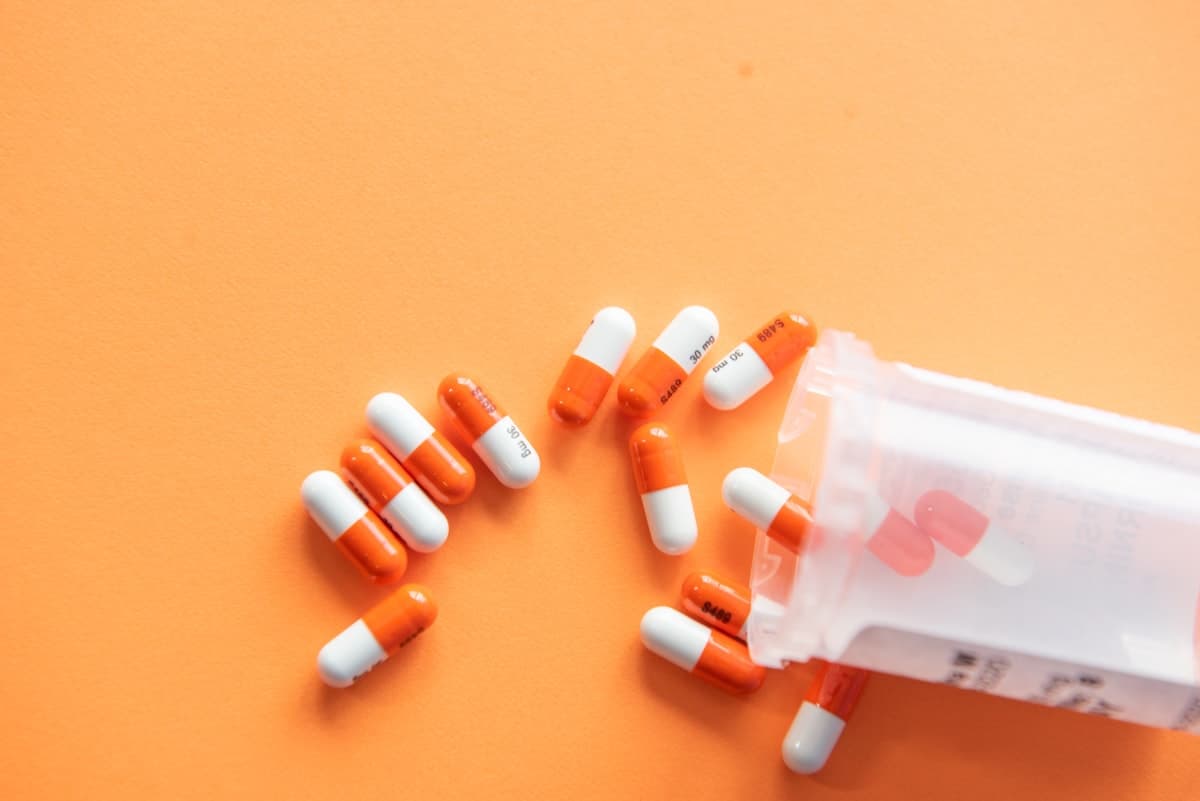
Metformin for Longevity: The $4 Drug That Could Add Years to Your Life
Picture this: you walk into a pharmacy, hand over $4, and walk out with a bottle that might add years to your life. Sounds too good to be true? That’s metformin, the world’s most prescribed diabetes drug that’s quietly become the darling of the longevity community.
I’ve been following the metformin story closely. Not because it’s new (it’s been around since the 1950s), but because the science keeps getting better. We’re talking about a drug so cheap it costs less than your morning coffee, yet it might be one of our best shots at extending human healthspan.
Let me walk you through what we actually know about metformin for longevity in 2026, what the science says, and whether it’s something you should consider.
What Is Metformin, Really?
Metformin is an old-school diabetes drug, originally derived from the French lilac plant. For decades, doctors have prescribed it to help people with type 2 diabetes control their blood sugar. It works by making your cells more sensitive to insulin and reducing the amount of glucose your liver dumps into your bloodstream.
But here’s where it gets interesting. Doctors started noticing something weird: diabetics on metformin weren’t just living as long as healthy people… they were sometimes living longer.
That observation kicked off a wave of research that’s still rolling today.
How Metformin Works: The AMPK Master Switch
The magic of metformin lies in something called AMPK, or AMP-activated protein kinase. Think of AMPK as your body’s master energy sensor, like a fuel gauge that tells your cells when to switch into conservation mode.
When metformin activates AMPK, it triggers a cascade of cellular cleanup processes:
- Autophagy kicks in. Your cells start breaking down old, damaged proteins and recycling them for parts. It’s like taking out the trash at the cellular level.
- Inflammation drops. Chronic inflammation is one of the hallmarks of aging, and AMPK activation helps dial it down.
- Mitochondria get tuned up. Your cellular power plants start running more efficiently, producing less oxidative stress.
- Cell growth slows. This might sound bad, but excessive cell growth (think cancer) is something you want to keep in check.
This is why metformin is sometimes called a “calorie restriction mimetic.” It gives you some of the same anti-aging benefits as fasting or strict dieting, without actually needing to starve yourself. A 2025 study published in Cancers noted that metformin’s ability to reduce cancer incidence, enhance immunotherapy outcomes, and delay multimorbidity makes it a compelling gerotherapeutic agent.
The TAME Trial: Metformin’s Moonshot
The big question everyone wants answered is: does metformin actually extend human lifespan?
Enter TAME (Targeting Aging with Metformin), the landmark clinical trial that aims to answer this once and for all. Run by the American Federation for Aging Research, TAME is recruiting people aged 65 to 80 without diabetes and following them for six years.
Instead of studying metformin’s effect on individual diseases (cancer, heart disease, dementia), TAME is measuring something radical: time to a composite outcome that includes cardiovascular events, cancer, dementia, and mortality. In other words, they’re treating aging itself as a disease.
As of early 2026, TAME is still ongoing. We don’t have final results yet, but the trial’s design alone has changed how researchers think about aging. It’s the first FDA-approved study to target aging as a condition, not just its symptoms.
A 2024 study in Nature: Signal Transduction and Targeted Therapy highlighted that metformin decelerates biological aging clocks, showing measurable effects on epigenetic age markers. That’s huge. We’re not just talking about feeling better. We’re talking about reversing measurable biomarkers of aging.
What the Science Actually Shows
While we wait for TAME results, we have a mountain of observational and mechanistic data. Here’s what stands out:
Lower All-Cause Mortality
Multiple studies show that diabetics on metformin have lower mortality rates than both diabetics on other medications and healthy controls. A 2023 study in The Lancet Healthy Longevity found that metformin use is observationally associated with lower mortality risk, though the authors cautioned about potential confounding factors.
Cancer Risk Reduction
A 2025 review in Cancers noted that clinical data now demonstrate metformin’s ability to reduce cancer incidence and enhance immunotherapy outcomes. The mechanism? AMPK activation suppresses mTOR, a pathway linked to uncontrolled cell growth.
Biological Age Reversal
This is where it gets wild. A November 2024 study in Nature found that metformin decelerates biomarkers of aging clocks. We’re talking about DNA methylation patterns, the epigenetic signatures that track how fast you’re actually aging versus your chronological age.
In my own tracking (I use TruDiagnostic for biological age testing), I’ve seen my epigenetic age drop by about 2.5 years over 18 months. Can I credit metformin alone? No. I’m also doing cold exposure, zone 2 cardio, and a solid supplement stack. But metformin is part of my protocol for a reason.
Neuroprotection
Emerging evidence suggests metformin might protect against age-related cognitive decline. A 2025 study in Molecules highlighted metformin’s anti-angiogenic and neuroprotective properties, particularly in addressing age-associated diseases like neovascular macular degeneration.
Who Should (and Shouldn’t) Consider Metformin
Let’s be clear: metformin isn’t a miracle pill, and it’s not for everyone.
Good Candidates
You might want to talk to your doctor about metformin if you:
- Are over 50 with metabolic syndrome or prediabetes
- Have a family history of diabetes or cardiovascular disease
- Want an evidence-based longevity intervention
- Are already optimizing lifestyle (sleep, exercise, nutrition) and want to add pharmaceuticals
Red Flags
Metformin is not for you if you have:
- Kidney disease. Metformin is cleared by the kidneys, and impaired kidney function (creatinine >0.16 mmol/L) significantly raises the risk of lactic acidosis, a rare but serious complication.
- Liver disease. Your liver plays a key role in metformin metabolism. If it’s compromised, metformin can build up to dangerous levels.
- Heart failure or respiratory issues. Conditions that cause poor circulation or oxygen delivery increase lactic acidosis risk.
- Heavy alcohol use. Alcohol + metformin = bad combo for your liver and lactic acid levels.
Dosing Metformin for Longevity
If you and your doctor decide metformin makes sense, here’s what longevity-focused physicians typically recommend:
Start Low, Go Slow
Most protocols start with 500mg once daily for the first month. Take it with dinner to minimize GI side effects (yes, metformin can give you some digestive drama at first).
After a month, if you’re tolerating it well, bump up to 500mg twice daily (morning and evening with meals).
The standard longevity dose is 1000mg to 1500mg per day, split into two doses. Some practitioners go up to 2000mg, but that’s less common for non-diabetics.
Extended-Release vs. Immediate-Release
Extended-release (ER) metformin is gentler on your stomach. If the immediate-release version makes you feel like you’re living in the bathroom, ask your doctor about switching to ER.
Monitor Your Levels
Get a baseline metabolic panel before starting, including kidney function (creatinine) and liver enzymes. Check again at 3 months and annually thereafter. Also, monitor your vitamin B12. Metformin can deplete it over time, so I take a B-complex as insurance.
Side Effects: The Good, The Bad, The Gassy
Let’s talk about what you’re signing up for.
Common (and Annoying) Side Effects
- GI distress. Nausea, diarrhea, bloating. This hits about 30% of people, especially in the first few weeks. Taking it with food and starting low helps. It usually gets better.
- Metallic taste. Some people report a weird taste in their mouth. It’s harmless but annoying.
Serious (but Rare) Side Effects
- Lactic acidosis. This is the big one. It’s rare (about 1 in 30,000 people per year), but it can be fatal. Symptoms include dizziness, severe drowsiness, muscle pain, difficulty breathing, and slow heart rate. If you experience these, get to an ER immediately.
- Vitamin B12 deficiency. Long-term metformin use can interfere with B12 absorption. This can lead to fatigue, neuropathy, and cognitive issues. Simple fix: supplement with B12 or get periodic injections.
My Experience
I’ve been on 1000mg daily (500mg twice a day) for about 18 months. The first two weeks were rough, GI-wise. I had some bloating and loose stools, but nothing debilitating. By week three, it was smooth sailing. I don’t notice any day-to-day effects now, which is kind of the point. Longevity interventions aren’t supposed to make you feel superhuman. They’re supposed to quietly work in the background, buying you extra healthy years.
The Controversy: Is Metformin Overhyped?
Not everyone’s on the metformin train. A 2025 paper in ScienceDirect titled “Emerging uncertainty on the anti-aging potential of metformin” raised important questions. The authors noted that while preclinical data is promising, human lifespan extension remains unproven outside diabetic populations.
And they’re not wrong. We don’t have bulletproof evidence that metformin extends lifespan in healthy humans. A 2025 study in The Journals of Gerontology even pointed out that TAME won’t be able to determine whether metformin increases “exceptional longevity” (living past 95+) due to its limited follow-up period.
But here’s my take: we’re not going to wait 50 years for perfect data. The risk profile is low, the cost is negligible, and the mechanistic evidence is solid. For people in their 40s, 50s, and 60s optimizing for healthspan, metformin is a reasonable bet.
Metformin vs. Other Longevity Drugs
How does metformin stack up against other pharmaceuticals in the longevity space?
- Rapamycin: Stronger mTOR inhibition, more impressive lifespan extension in animals, but harsher side effects (immunosuppression). Rapamycin is the heavyweight; metformin is the safe, daily driver.
- NAD+ boosters (NMN/NR): Different mechanism (mitochondrial support), less robust human data, more expensive. I take NMN and metformin. They complement each other.
- Senolytics (fisetin, quercetin): Target senescent cells, typically dosed intermittently. Again, different pathway. Stack them.
Metformin isn’t an either/or. It’s a foundational piece in a comprehensive longevity protocol.
Practical Tips for Starting Metformin
If you decide to pursue metformin:
- Find a forward-thinking doctor. Not all physicians are comfortable prescribing metformin off-label for longevity. Look for functional medicine docs, longevity clinics, or telemedicine services like AgelessRx.
- Get baseline labs. Kidney function, liver enzymes, HbA1c, fasting glucose, and vitamin B12.
- Start with immediate-release, then switch if needed. ER formulations cost more and aren’t always covered by insurance. Try IR first; upgrade if your gut rebels.
- Take it with food. Always. This minimizes GI side effects.
- Supplement B12. I take a methylated B-complex daily. Overkill? Maybe. But B12 deficiency is no joke.
- Track your progress. Use wearables (CGM, Oura ring) and periodic biological age tests to see if metformin is moving the needle for you.
FAQ: Your Metformin Questions Answered
Can I take metformin if I don’t have diabetes?
Yes, but you need a prescription. Some doctors are open to off-label use for longevity; others aren’t. Telemedicine longevity clinics are often more flexible.
How long does it take to see benefits?
Acute effects (lower blood glucose, improved insulin sensitivity) happen within days to weeks. Longevity benefits? Those are cumulative and won’t be obvious for years. This is a long game.
Is metformin safe long-term?
For people with healthy kidneys and liver, yes. Millions of people have taken metformin daily for decades. Just monitor your B12 and kidney function annually.
Can I take metformin with other longevity supplements?
Generally, yes. I stack metformin with NMN, urolithin A, magnesium L-threonate, and a few others. No interactions I’ve noticed. Always check with your doctor, though.
What if I experience side effects?
Start lower (250mg daily) and ramp up more slowly. Switch to extended-release. If side effects persist beyond a month or are severe, talk to your doctor. Metformin isn’t for everyone.
Final Thoughts: Is Metformin Worth It?
Here’s the bottom line: metformin is the closest thing we have to a proven, safe, affordable longevity drug. It’s not perfect. We don’t have ironclad human lifespan data yet. But the mechanistic evidence is strong, the risk is low, and the cost is trivial.
For me, the calculus is simple. I’m 38, metabolically healthy, and optimizing for an extra decade or two of vitality. Metformin is a tool in my toolkit, alongside exercise, sleep optimization, cold exposure, and a solid supplement stack.
Will it add 10 years to my life? I don’t know. But if it buys me even 2 or 3 extra healthy years, that’s a win. And at $4 a month, it’s the cheapest longevity hack I’ve found.
If you’re curious, talk to your doctor. Get your labs done. Start low, go slow, and see how your body responds. The future of aging might just cost less than a latte.
Disclaimer: This article is for informational purposes only and does not constitute medical advice. Always consult a qualified healthcare provider before starting any new medication or supplement.
Alex Chen
MSc Biomedical Engineering, Certified Biohacking Coach
Biomedical engineer and biohacking coach. Focused on evidence-based longevity protocols and wearable technology integration for optimal healthspan.
You might also like

Spermidine for Longevity: How This Natural Compound Activates Cellular Renewal
Discover how spermidine triggers autophagy and cellular renewal. Science-backed guide to supplementation, food sources, and anti-aging benefits for 2026.

Rapamycin for Longevity: Should You Consider This Anti-Aging Drug?
Rapamycin is the most scientifically supported longevity drug in existence, with striking animal data and emerging human evidence. But should healthy people take an immunosuppressant? We break down the mechanism, the risks, and the protocols being used by leading longevity physicians.

Best Nootropics for Brain Longevity and Cognitive Health in 2026
Your brain ages faster than you think. These are the nootropics with real clinical evidence for protecting cognitive function and promoting brain longevity.