Spermidine Supplement Review: The Autophagy Activator for Longevity
Discover how spermidine supplements activate autophagy to support cellular renewal and longevity. In-depth review of mechanisms, clinical studies, optimal dosing, and the best spermidine supplements of 2026.
 Dr. Helena Vasquez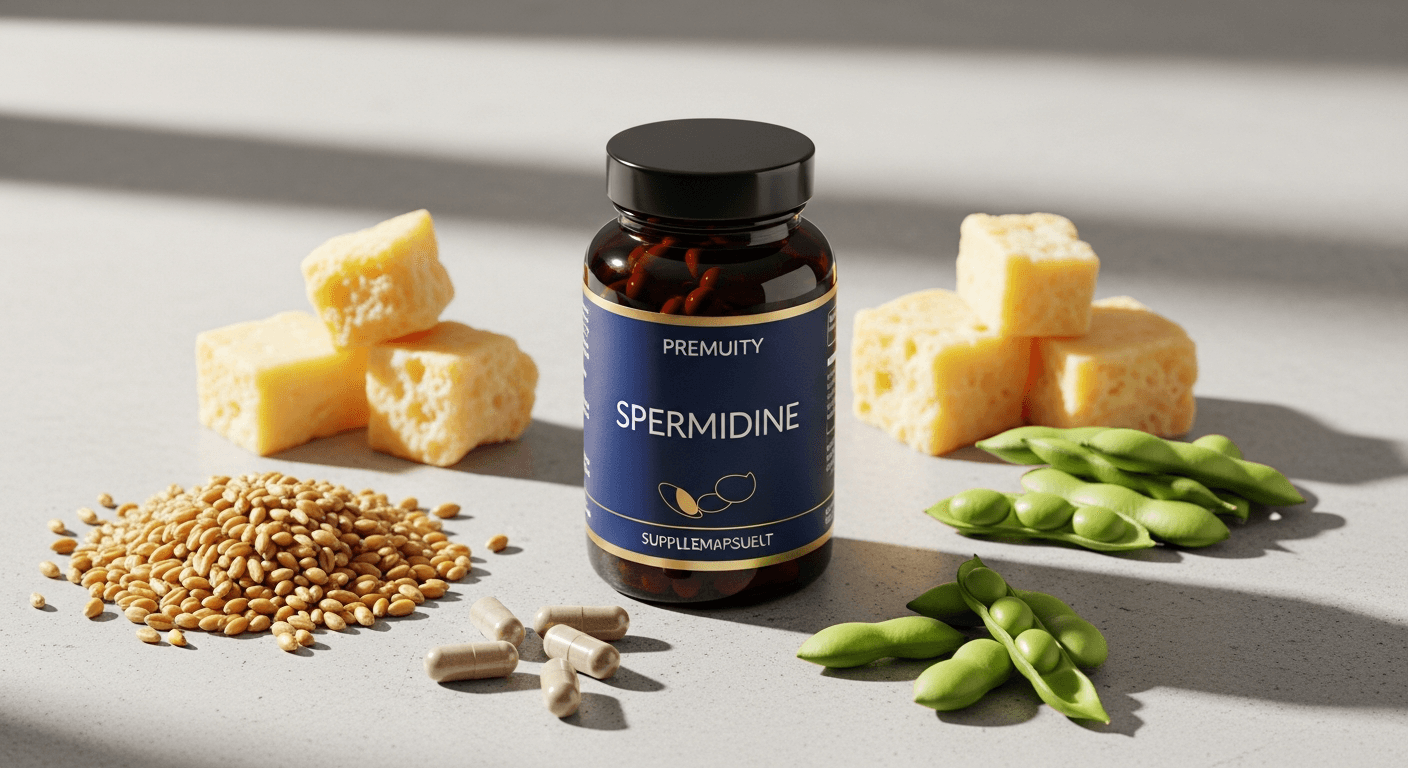
Introduction: The Cellular Cleanup Compound Gaining Scientific Traction
Spermidine has emerged as one of the most promising longevity compounds in modern anti-aging research. Originally identified in human seminal fluid (hence its name), this naturally occurring polyamine is found throughout the body and plays a critical role in cellular maintenance. What makes spermidine particularly exciting for longevity enthusiasts is its ability to trigger autophagy—the body's natural cellular recycling process.
Unlike many hyped supplements that fade into obscurity, spermidine has accumulated substantial scientific evidence supporting its role in healthy aging. From extending lifespan in model organisms to showing cardiovascular and cognitive benefits in human trials, this compound deserves serious attention from anyone interested in evidence-based longevity interventions.
In this comprehensive review, we'll explore the science behind spermidine supplementation, analyze clinical research, discuss optimal dosing strategies, compare food sources versus supplements, and recommend the best spermidine supplements available in 2026.
What Is Spermidine? Understanding the Basics
Spermidine is a polyamine—a class of organic compounds with multiple amino groups. Along with its relatives putrescine and spermine, spermidine is involved in numerous cellular processes essential for life:
- Cell growth and proliferation
- DNA stability and repair
- Protein synthesis
- Mitochondrial function
- Autophagy induction
Our bodies produce spermidine endogenously, but production declines with age. Additionally, we obtain spermidine from dietary sources—particularly fermented foods, aged cheeses, wheat germ, and legumes. This dual sourcing creates opportunities for supplementation to restore youthful levels.
The Autophagy Connection
What truly sets spermidine apart in the longevity space is its role as a caloric restriction mimetic. It activates autophagy without requiring fasting or calorie reduction. Autophagy, derived from the Greek words meaning "self-eating," is the process by which cells break down and recycle damaged components—dysfunctional mitochondria, misfolded proteins, and cellular debris.
When autophagy declines with age, damaged cellular components accumulate, contributing to:
- Neurodegeneration
- Cardiovascular disease
- Cancer development
- Metabolic dysfunction
- Accelerated aging
By inducing autophagy, spermidine helps maintain cellular cleanliness and function—a fundamental aspect of healthy aging.
The Science of Spermidine and Longevity
Preclinical Evidence
Research on spermidine's lifespan-extending effects began in earnest with a landmark 2009 study published in Nature Cell Biology. Researchers demonstrated that spermidine supplementation extended lifespan in yeast, worms, flies, and mice while reducing age-related oxidative stress markers.
Subsequent studies have reinforced these findings:
- Cardiovascular health: Mice supplemented with spermidine showed reduced cardiac aging, improved diastolic function, and lower blood pressure
- Neuroprotection: Animal models demonstrate preserved memory function and reduced neuroinflammation with spermidine treatment
- Cancer prevention: Autophagy activation helps eliminate precancerous cells before they can proliferate
Human Clinical Evidence
The transition from animal to human research has been promising. Several key human studies have emerged:
1. The Bruneck Study (Epidemiological)
This Austrian population study followed over 800 participants for 20 years, measuring dietary spermidine intake. Results showed that participants in the highest third of spermidine consumption had significantly lower all-cause mortality compared to those in the lowest third. The survival advantage was approximately 5 years.
2. Cognitive Function Trial (2021)
A randomized controlled trial published in Cortex examined spermidine supplementation in older adults with subjective cognitive decline. Participants receiving wheat germ extract (rich in spermidine) showed improved memory performance compared to placebo over 3 months.
3. Cardiovascular Benefits Study (2023)
Research published in Aging Cell demonstrated that 90 days of spermidine supplementation improved endothelial function and reduced arterial stiffness in older adults—both markers associated with cardiovascular aging.
4. SmartAge Trial (Ongoing)
This larger-scale German clinical trial is investigating spermidine's effects on cognitive aging in participants with mild cognitive impairment. Preliminary results suggest benefits for memory consolidation, particularly during sleep.
Mechanism of Action: How Spermidine Works
Understanding how spermidine exerts its longevity benefits helps explain why it's considered such a valuable intervention.
Autophagy Induction via EP300 Inhibition
Spermidine activates autophagy primarily by inhibiting EP300 (E1A-binding protein p300), an acetyltransferase enzyme. When EP300 is inhibited, autophagy-related proteins remain in their active, deacetylated state, promoting cellular cleanup processes.
This mechanism is significant because it mimics the effects of fasting and caloric restriction—interventions known to extend lifespan across species—without requiring dietary modification.
Mitochondrial Enhancement
Spermidine also supports mitochondrial health by:
- Promoting mitophagy (selective autophagy of damaged mitochondria)
- Enhancing mitochondrial biogenesis
- Reducing oxidative stress within mitochondria
Since mitochondrial dysfunction is a hallmark of aging, these effects contribute substantially to spermidine's anti-aging profile.
Epigenetic Modulation
Emerging research suggests spermidine influences epigenetic markers—chemical modifications that affect gene expression without altering DNA sequence. By modulating histone acetylation patterns, spermidine may help maintain youthful gene expression profiles.
Food Sources vs. Supplements: Making the Right Choice
Dietary Sources of Spermidine
Spermidine occurs naturally in many foods:
| Food Source | Spermidine Content (mg/kg) |
|---|---|
| Wheat germ | 243 |
| Aged cheese | 100-200 |
| Soybeans | 207 |
| Mushrooms | 89 |
| Green peas | 65 |
| Broccoli | 32 |
| Natto (fermented soy) | 56-87 |
Challenges with Dietary Intake
While obtaining spermidine from food is possible, several challenges exist:
- Variability: Spermidine content varies significantly based on food processing, storage, and preparation methods
- Quantity required: Achieving therapeutic doses (5-15 mg daily) requires substantial food consumption
- Consistency: Maintaining consistent daily intake through diet alone proves difficult for most people
- Tracking: Measuring actual spermidine intake from food is nearly impossible without laboratory analysis
The Case for Supplementation
Spermidine supplements offer several advantages:
- Standardized dosing: Known quantity per capsule
- Convenience: Easy daily compliance
- Concentration: Therapeutic doses without excessive calorie intake
- Quality control: Reputable manufacturers test for purity and potency
For individuals serious about longevity optimization, combining spermidine-rich foods with targeted supplementation offers the most practical approach.
Optimal Dosing: What the Research Shows
Determining the ideal spermidine dose involves balancing efficacy, safety, and practical considerations.
Research-Based Recommendations
Clinical trials have typically used doses ranging from 1-6 mg of spermidine daily, often delivered via wheat germ extract. The Bruneck epidemiological study associated the highest benefits with dietary intakes around 11-12 mg daily.
Practical Dosing Guidelines
Based on available evidence, consider these recommendations:
Conservative approach: 1-3 mg daily
- Appropriate for general wellness
- Minimal cost
- Ultra-safe profile
Moderate approach: 5-10 mg daily
- Aligns with higher tertile from epidemiological studies
- Balance of efficacy and cost
- Well-tolerated in clinical trials
Aggressive approach: 10-15 mg daily
- Maximum evidence-based intake
- Higher cost
- Consider periodic cycling
Timing Considerations
While no definitive research establishes optimal timing, several factors suggest morning administration:
- Autophagy naturally peaks during fasting periods (overnight)
- Morning dosing extends the autophagy window
- Synergy with intermittent fasting protocols
Taking spermidine with breakfast or during a morning fast appears reasonable based on current understanding.
Best Spermidine Supplements in 2026
After evaluating dozens of products based on purity, potency, third-party testing, and value, here are our top recommendations:
1. DoNotAge Spermidine Fusion — Editor's Choice
DoNotAge delivers a premium wheat germ extract standardized to 6 mg of spermidine per capsule. Third-party testing confirms purity, and the company maintains transparent manufacturing practices.
Pros:
- High-potency 6 mg per capsule
- Rigorous third-party testing
- Wheat germ-derived (natural source)
- Excellent reputation in longevity community
Cons:
- Premium pricing
- Ships internationally (longer delivery for some regions)
Best for: Serious biohackers wanting maximum quality and potency
2. Oxford Healthspan Primeadine — Best for Cellular Health
Primeadine combines spermidine with supportive compounds for comprehensive cellular support. Their research-backed approach and Japanese-sourced ingredients distinguish this product.
Pros:
- Multi-polyamine formula (spermidine + spermine + putrescine)
- Food-derived from fermented wheat germ
- Strong clinical research focus
- Subscription discounts available
Cons:
- Higher price point
- Requires multiple capsules daily for full dose
Best for: Those seeking comprehensive polyamine support beyond spermidine alone
3. Double Wood Supplements Spermidine — Best Value
Double Wood offers an accessible entry point into spermidine supplementation without sacrificing quality. Their 5 mg capsules provide solid value for budget-conscious consumers.
Pros:
- Competitive pricing
- Reliable potency (5 mg per capsule)
- US-based manufacturing
- Good availability on major retailers
Cons:
- Synthetic source (not wheat germ-derived)
- Less third-party testing transparency
Best for: Beginners or those prioritizing value
4. Life Extension Geroprotect Autophagy Renew — Best Synergistic Formula
Life Extension's formula combines spermidine with luteolin and piperlongumine for enhanced autophagy activation through multiple pathways.
Pros:
- Multi-compound autophagy support
- Trusted longevity brand
- Science-backed ingredient selection
- Good value for combination product
Cons:
- Lower spermidine dose per serving
- May not suit those wanting pure spermidine
Best for: Those wanting comprehensive autophagy support from multiple compounds
Safety Profile and Potential Side Effects
Spermidine demonstrates an excellent safety profile in both food and supplement forms.
Generally Well-Tolerated
Clinical trials report minimal adverse effects at typical supplementation doses. Common observations include:
- Mild gastrointestinal discomfort (rare)
- Possible allergic reactions in wheat-sensitive individuals (for wheat germ-derived products)
Considerations
Pregnancy and breastfeeding: Insufficient data; consult healthcare provider Cancer history: While autophagy generally protects against cancer development, established tumors may exploit autophagy for survival—discuss with oncologist Medications: No significant drug interactions identified, but inform your physician about supplementation
Stacking Spermidine: Synergistic Combinations
Spermidine works well alongside other longevity interventions:
Complementary Supplements
- NMN/NR: NAD+ precursors support mitochondrial function via different pathways
- Resveratrol: Additional autophagy activation and sirtuin stimulation
- Omega-3s: Anti-inflammatory support for cellular health
- Vitamin D: Immune and metabolic optimization
Lifestyle Synergies
- Intermittent fasting: Amplifies autophagy benefits
- Exercise: Physical activity independently triggers autophagy
- Quality sleep: Sleep deprivation impairs autophagy; prioritize rest
- Stress management: Chronic stress disrupts cellular maintenance
Conclusion: Is Spermidine Worth Taking?
Spermidine represents one of the most promising and well-researched longevity supplements available today. Its ability to trigger autophagy—the cellular cleanup process that declines with age—addresses a fundamental mechanism of aging.
The evidence supports spermidine for:
- Cardiovascular health maintenance
- Cognitive function preservation
- General cellular health optimization
- Longevity-focused wellness protocols
For those committed to evidence-based longevity interventions, spermidine deserves consideration as a foundational supplement. Start with conservative doses, choose quality products from reputable manufacturers, and combine with lifestyle practices that support cellular health.
As research continues, we expect even clearer guidance on optimal dosing and long-term benefits. For now, spermidine stands as a compelling option for anyone serious about extending their healthspan.
Disclaimer: This article is for informational purposes only and does not constitute medical advice. Consult a qualified healthcare provider before starting any supplement regimen.

Dr. Helena Vasquez
PhD in Neuroscience, Stanford Research Fellow
Neuroscientist specializing in cognitive longevity and brain optimization. Researcher focused on neurofeedback protocols and nootropic supplementation for extending healthspan.
You might also like
Spermidine for Longevity: How This Natural Compound Activates Cellular Renewal
Discover how spermidine triggers autophagy and cellular renewal. Science-backed guide to supplementation, food sources, and anti-aging benefits for 2026.
Rapamycin for Longevity: Should You Consider This Anti-Aging Drug?
Rapamycin is the most scientifically supported longevity drug in existence, with striking animal data and emerging human evidence. But should healthy people take an immunosuppressant? We break down the mechanism, the risks, and the protocols being used by leading longevity physicians.

Best Nootropics for Brain Longevity and Cognitive Health in 2026
Your brain ages faster than you think. These are the nootropics with real clinical evidence for protecting cognitive function and promoting brain longevity.